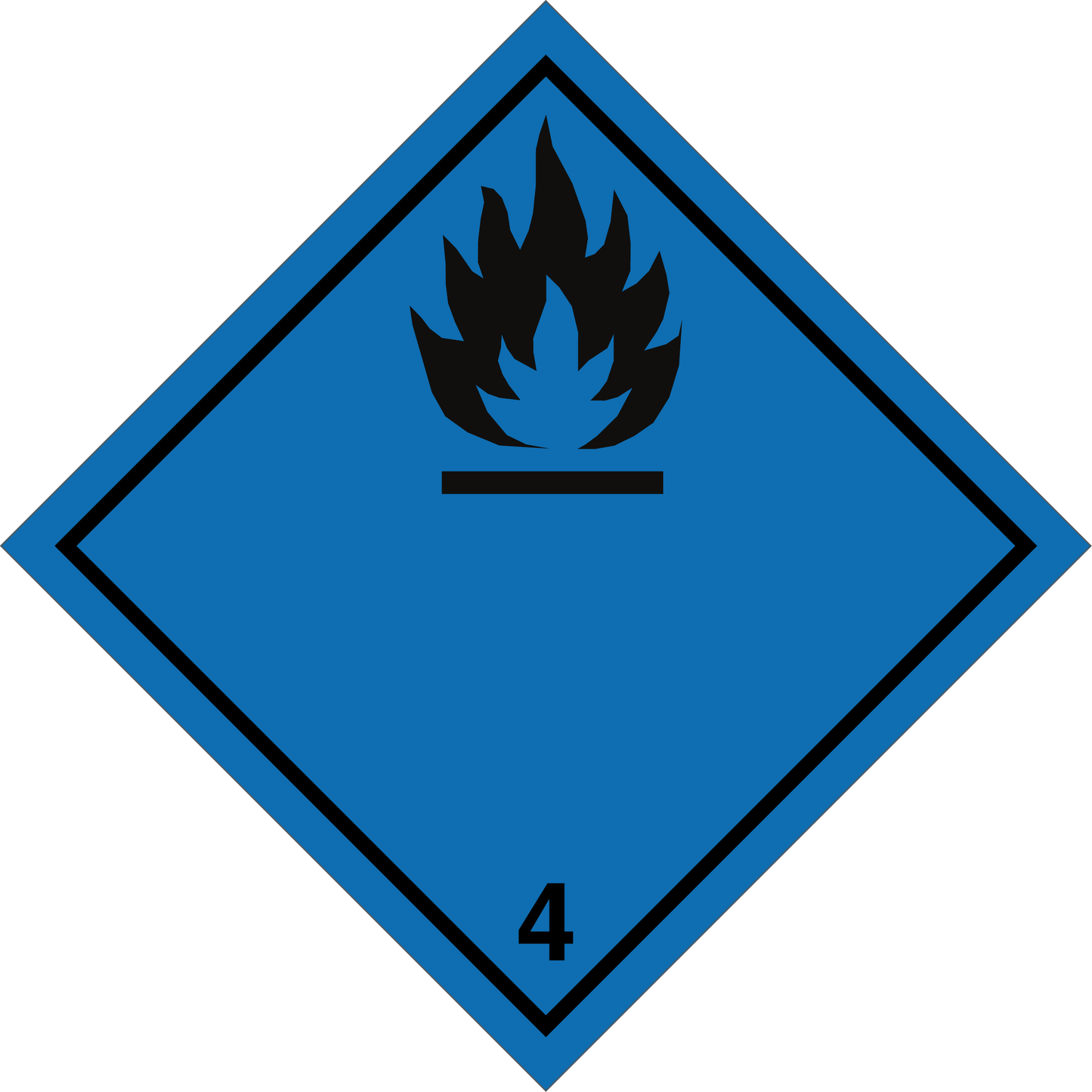
ADR sign and labels - flammable gas if in contact with water
ADR sign and labels - flammable gas if in contact with water
Couldn't load pickup availability
Professional ADR Water-Reactive Labels for Class 4.3 Dangerous When Wet Materials
ADR water-reactive labels provide critical moisture hazard identification for Class 4.3 materials that generate flammable gases or become dangerous when exposed to water. These essential safety labels ensure proper recognition of water-reactive substances including alkali metals, metal hydrides, and chemical compounds that produce hydrogen gas or toxic vapors upon contact with moisture during storage and transport operations.
UN Class 4.3 and ADR Compliance for Water-Reactive Substance Transport
Our ADR water-reactive labels comply with UN Model Regulations Class 4.3 and European ADR standards for dangerous when wet materials transport. This ensures internationally recognized water hazard symbols that communicate moisture risks effectively to transport personnel, warehouse staff, and emergency responders handling materials that react violently with water producing flammable hydrogen gas and toxic substances.
Moisture-Resistant Construction for Water-Sensitive Material Environments
Manufactured from moisture-resistant materials designed to withstand environments where water-reactive substances are processed while clearly marking water hazards. High-contrast flame and water drop graphics ensure immediate recognition in facilities where moisture contact poses serious explosion and toxicity risks. Quality construction maintains label integrity in demanding chemical processing and metal manufacturing facilities.
Critical for Metal Processing and Chemical Industries
Strategic placement of water-reactive labels prevents dangerous water contact incidents by clearly identifying moisture-sensitive materials requiring specialized water exclusion protocols. Essential for metal processing facilities, chemical manufacturers, electronics companies, and logistics providers handling alkali metals, metal carbides, and reactive compounds that generate explosive hydrogen gas or toxic vapors when exposed to water.
Essential for Electronics and Advanced Manufacturing
Perfect for electronics manufacturers, metal processing plants, chemical companies, semiconductor facilities, and specialized transport services handling Class 4.3 water-reactive materials. These labels support moisture safety compliance while preventing water contact incidents, hydrogen explosions, and safety violations during water-sensitive material processing and transport.
Universal Water Hazard Communication Standards
ADR water-reactive labels use internationally standardized flame and water symbols recognized by chemical and manufacturing industry professionals worldwide. They enhance water safety training programs and support consistent moisture exclusion procedures across multinational operations. Clear visual communication reduces water contact risks and improves dangerous when wet material safety.
Precision Manufacturing for Moisture Safety Applications
Each label component—from water hazard symbol clarity to moisture-resistant adhesive—meets strict Class 4.3 and water safety specifications. Precision printing ensures hazard symbols remain visible throughout moisture-controlled transport and storage cycles. Quality materials maintain adhesion and legibility under demanding conditions where water exclusion is critical for safety.
Free EU Shipping and Water-Reactive Compliance Support
We offer free delivery across the European Union for all water-reactive material labeling requirements. Bulk quantities available for large metal processing and chemical manufacturing operations. Our team provides professional support trusted by safety officers and chemical coordinators for Class 4.3 compliance requirements.
Prevent water contact incidents and hydrogen explosions with professional ADR water-reactive labels meeting Class 4.3 international safety standards.
Technical Specifications Section:
Product Specifications:
- Classification: UN Class 4.3 - Substances which emit flammable gases when wet
- Symbol: Flame pictogram with water drops (black on blue background)
- Colors: Standard Class 4.3 colors (blue background with black flame and drops)
- Material: Moisture-resistant vinyl with water-repellent coating
- Adhesive: Waterproof permanent, moisture-barrier
- Temperature Range: Functional -30°C to +80°C (industrial processing range)
- Sizes Available: Standard ADR Class 4.3 label dimensions
- Durability: Water, chemical, and fire resistant construction
Class 4.3 Packing Groups:
- ✓ Packing Group I - Great danger (vigorous reaction with water)
- ✓ Packing Group II - Medium danger (moderate reaction with water)
- ✓ Packing Group III - Minor danger (slow reaction with water)
- ✓ W1 - Substances that emit flammable gases when wet
- ✓ W2 - Substances that may become spontaneously combustible when wet
- ✓ WF1/WF2 - Water-reactive substances that are also flammable
Common Class 4.3 Water-Reactive Applications:
Metal Processing and Metallurgy:
- Alkali Metals - Sodium, potassium, lithium metal
- Alkaline Earth Metals - Calcium, magnesium metal powders
- Metal Hydrides - Sodium hydride, calcium hydride, lithium hydride
- Metal Carbides - Calcium carbide, aluminum carbide
- Metal Phosphides - Calcium phosphide, aluminum phosphide
- Zinc Dust - Finely divided zinc powder
Chemical Manufacturing:
- Reactive Intermediates - Water-sensitive chemical synthesis materials
- Organometallic Compounds - Grignard reagents, organolithium compounds
- Metal Alkyls - Triethylaluminum, diethylzinc
- Anhydrous Salts - Water-reactive inorganic salts
- Chemical Catalysts - Water-sensitive catalytic materials
- Drying Agents - Powerful desiccants and dehydrating agents
Electronics and Semiconductor:
- Silicon Compounds - Reactive silane derivatives
- Metal Etchants - Water-reactive etching compounds
- Semiconductor Dopants - Water-sensitive doping materials
- Electronic Chemicals - Moisture-sensitive processing chemicals
- Battery Materials - Water-reactive electrode components
- Display Materials - Moisture-sensitive compounds for electronics
Industrial and Specialty Applications:
- Welding Materials - Calcium carbide for acetylene generation
- Mining Chemicals - Water-reactive blasting and processing agents
- Pharmaceutical Intermediates - Water-sensitive drug manufacturing compounds
- Research Chemicals - Laboratory water-reactive reagents
- Specialty Alloys - Water-reactive metal alloy components
- Industrial Catalysts - Moisture-sensitive catalytic systems
Water Reaction Hazards and Gas Generation:
Primary Water Contact Risks:
- Hydrogen Gas Generation - Explosive hydrogen gas production upon water contact
- Violent Reactions - Exothermic reactions generating heat and pressure
- Toxic Gas Production - Formation of poisonous gases (phosphine, ammonia)
- Fire and Explosion - Ignition of generated flammable gases
- Caustic Formation - Production of corrosive hydroxide solutions
- Rapid Heat Generation - Thermal runaway from water contact reactions
Prevention and Control Measures:
- Complete Water Exclusion - Hermetic sealing and moisture barriers
- Inert Atmosphere Storage - Dry nitrogen or argon gas environments
- Humidity Control - Maintain very low humidity levels
- Moisture Detection - Continuous moisture monitoring systems
- Emergency Isolation - Rapid water source shutdown capabilities
- Specialized Fire Suppression - Dry chemical or inert gas systems (never water)
Industry-Specific Safety Requirements:
Metal Processing Operations:
- Dry Storage - Moisture-free storage facilities with desiccants
- Inert Handling - Dry nitrogen or argon atmosphere handling
- Moisture Monitoring - Continuous humidity and leak detection
- Emergency Procedures - Dry chemical fire suppression systems
- Personnel Training - Water-reactive material handling procedures
- Waste Management - Safe disposal of water-reactive waste
Chemical Manufacturing:
- Process Controls - Anhydrous reaction conditions and moisture exclusion
- Equipment Design - Sealed systems with moisture barriers
- Material Transfer - Inert gas blanketing during transfers
- Quality Control - Moisture content testing and specification
- Emergency Response - Dry fire suppression and gas ventilation
- Environmental Controls - Humidity control and weather protection
Electronics Manufacturing:
- Cleanroom Environments - Ultra-low humidity controlled atmospheres
- Moisture Barriers - Hermetic packaging and sealing systems
- Process Gases - Ultra-dry nitrogen and argon gas supplies
- Equipment Protection - Moisture-resistant processing equipment
- Static Control - Controlled humidity to prevent static while excluding moisture
- Emergency Shutdown - Rapid process isolation from moisture sources
Transport and Storage Requirements:
Packaging Requirements:
- Waterproof Packaging - Hermetically sealed containers with moisture barriers
- Inert Gas Packaging - Dry nitrogen or argon gas-filled containers
- Desiccant Systems - Moisture absorbing materials in packaging
- Double Containment - Secondary moisture barriers for high-risk materials
- Pressure Relief - Venting systems for gas generation during transport
- Weather Protection - Rain and humidity protection during transport
Storage Conditions:
- Humidity Control - Maintain relative humidity below 10%
- Temperature Stability - Stable temperatures to prevent condensation
- Leak Detection - Water leak detection and alarm systems
- Fire Suppression - Dry chemical or inert gas fire suppression
- Ventilation Design - Hydrogen gas detection and removal systems
- Access Control - Restricted access to trained personnel only
Vehicle Requirements:
- Moisture Exclusion - Waterproof cargo compartments
- Fire Suppression - Dry chemical fire suppression systems (never water)
- Gas Detection - Hydrogen and toxic gas monitoring systems
- Emergency Equipment - Dry emergency response materials
- Driver Training - Specialized training for water-reactive materials
- Route Planning - Weather-protected routes avoiding flood-prone areas
Emergency Response and Water Contact Incidents:
Water Contact Emergency Protocol:
- Immediate Evacuation - Clear area of personnel due to gas generation
- Source Isolation - Stop water source and prevent further contact
- Ventilation - Increase ventilation to remove hydrogen and toxic gases
- No Water Suppression - Never use water on Class 4.3 fires
- Dry Chemical Suppression - Use Class D or dry chemical extinguishers
- Gas Monitoring - Monitor for hydrogen and toxic gas concentrations
- Specialized Response - Contact hazmat teams trained in water-reactive materials
Hydrogen Gas Management:
- Explosion Prevention - Remove ignition sources immediately
- Ventilation Systems - Rapidly remove hydrogen gas accumulation
- Gas Detection - Monitor hydrogen concentrations below explosive limits
- Static Prevention - Eliminate static electricity ignition sources
- Emergency Lighting - Explosion-proof electrical equipment
- Area Isolation - Establish safety perimeter around gas generation
FAQ Section:
Q: What makes a material "dangerous when wet"? A: Materials that react with water to produce flammable gases (usually hydrogen), toxic gases, or become spontaneously combustible when exposed to moisture.
Q: Can water be used to fight fires involving Class 4.3 materials? A: Never use water on Class 4.3 fires as it will worsen the situation by generating more flammable gas. Use dry chemical or inert gas suppression.
Q: How much moisture is dangerous for these materials? A: Even small amounts of moisture can trigger reactions. Humidity levels must typically be kept below 10% relative humidity.
Q: What gases are produced when these materials contact water? A: Most commonly hydrogen gas (explosive), but some produce toxic gases like phosphine, ammonia, or hydrogen sulfide.
Industry Benefits and Safety Value:
Water Safety Benefits:
- Prevents hydrogen explosions - Eliminates water contact that generates explosive gas
- Protects personnel - Prevents exposure to toxic gases from water reactions
- Saves facilities - Prevents catastrophic fires and explosions
- Reduces liability - Demonstrates proper water-reactive material safety
- Insurance protection - Maintains coverage for moisture-related incidents
Manufacturing Capability:
- Advanced processing - Enables handling of sophisticated water-reactive materials
- Quality assurance - Protects material integrity through moisture exclusion
- Regulatory compliance - Meets Class 4.3 transport and storage requirements
- Process safety - Enables safe chemical and electronic manufacturing
- Emergency preparedness - Supports effective water contact incident response
Specialized Applications:
- Electronics manufacturing - Critical for semiconductor and display production
- Chemical synthesis - Enables advanced anhydrous chemical processes
- Metal processing - Safe handling of reactive metal powders and compounds
- Research capabilities - Supports cutting-edge chemical research
- International operations - Ensures global compliance for water-reactive materials
Share