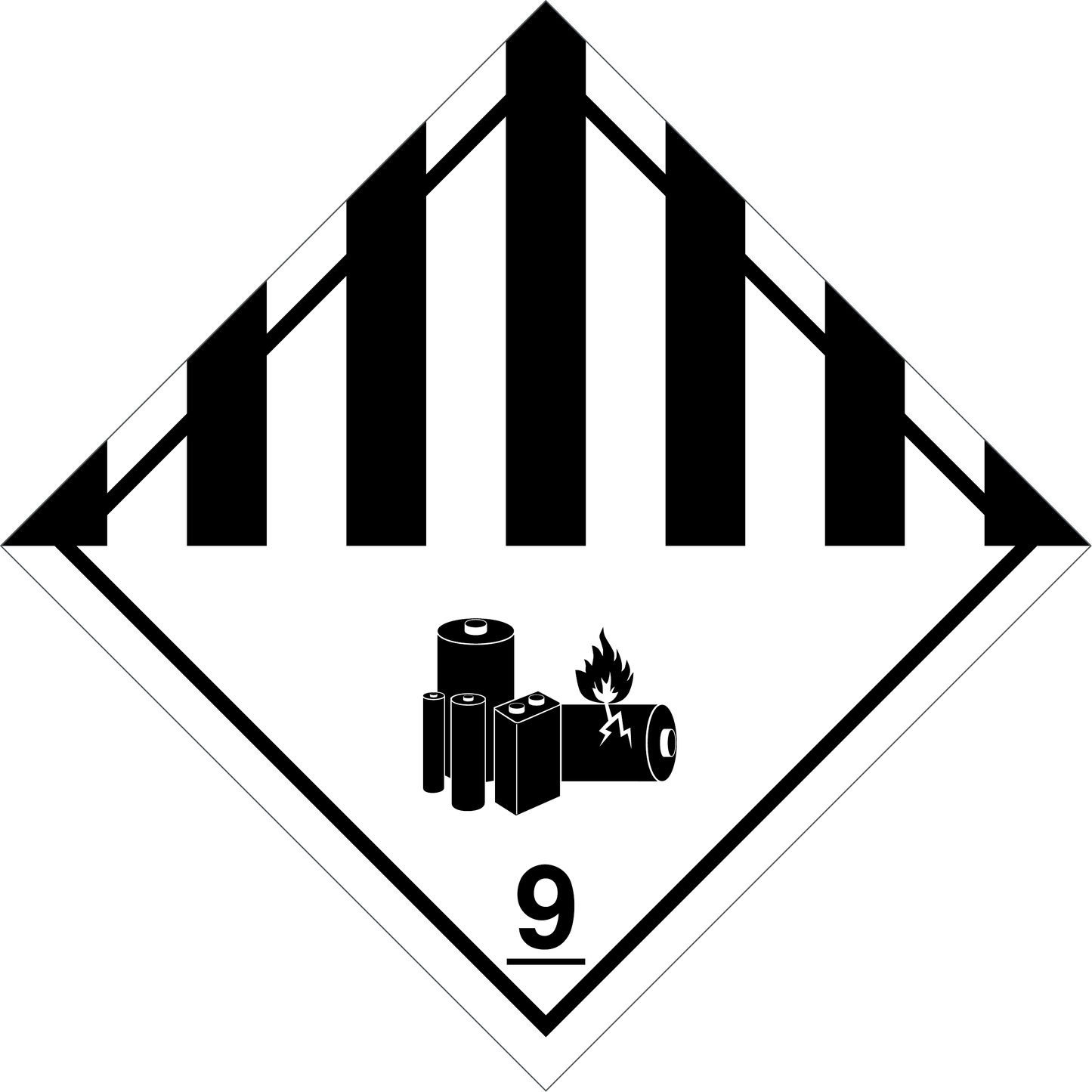
ADR Lithium Batteries Label UN3480 | Battery Fire Safety
ADR Lithium Batteries Label UN3480 | Battery Fire Safety
Couldn't load pickup availability
Professional ADR Lithium Batteries Labels for Fire Safety Transport
ADR lithium batteries labels provide critical fire hazard identification for lithium metal and lithium-ion batteries during transport. These essential dangerous goods labels ensure proper recognition of UN3480, UN3481, UN3090, and UN3091 classifications, protecting transport personnel from thermal runaway incidents and preventing battery-related fires during electronics, automotive, and energy storage shipments.
UN3480/UN3481 and IATA Compliance for Battery Transport Safety
Our ADR lithium batteries labels comply with UN Model Regulations, European ADR standards, and IATA dangerous goods requirements for lithium battery transport. This ensures internationally recognized battery fire symbols that communicate thermal hazards effectively to transport personnel, airline cargo handlers, customs officials, and emergency responders across all transport modes and international borders.
Fire-Resistant Construction for Battery Transport Environments
Manufactured from heat-resistant materials designed to withstand battery transport conditions including temperature variations, vibration, and potential thermal events. High-contrast battery symbols with flame indicators ensure maximum visibility during electronics shipments, electric vehicle battery transport, and consumer device handling. Adhesive backing maintains secure attachment through demanding transport cycles.
Critical for Electronics and Battery Industry Safety
Strategic placement of lithium batteries labels prevents fire incidents by clearly identifying battery shipments requiring specialized fire safety protocols. Essential for electronics manufacturers, automotive companies, renewable energy providers, and logistics companies transporting smartphones, laptops, electric vehicle batteries, power tools, and energy storage systems that pose fire and explosion risks.
Essential for Consumer Electronics and Electric Vehicle Industries
Perfect for electronics manufacturers, automotive companies, e-commerce retailers, logistics providers, and battery manufacturers shipping lithium battery products. These labels support compliance with international battery transport regulations while preventing costly fire incidents, thermal runaway events, and safety violations during air, road, and maritime transport operations.
Universal Battery Fire Hazard Communication Standards
ADR lithium batteries labels use internationally standardized battery fire symbols and flame pictograms recognized by transport professionals worldwide. They enhance dangerous goods training programs and support consistent battery fire safety procedures across multinational electronics and automotive supply chains. Clear visual communication reduces fire risks and improves battery transport safety.
Precision Engineering for Battery Fire Safety Applications
Each label component—from battery fire symbol clarity to heat-resistant adhesive formulation—meets strict UN and IATA specifications for lithium battery transport. Precision printing ensures battery hazard symbols remain visible throughout complex electronics supply chains. Quality materials maintain adhesion and legibility under demanding conditions where battery fire safety is life-critical.
Free EU Shipping and Battery Transport Compliance Support
We offer free delivery across the European Union for all lithium battery labeling requirements. Bulk quantities available for large electronics manufacturers and automotive companies. Our team provides professional support trusted by dangerous goods coordinators and battery safety officers for lithium battery fire safety compliance.
Prevent battery fires and ensure transport safety with professional ADR lithium batteries labels meeting UN3480/UN3481 international fire safety standards.
Technical Specifications Section:
Product Specifications:
- Standards: UN3480, UN3481, UN3090, UN3091 compliant
- Symbol: Lithium battery pictogram with flame/fire indicator
- Colors: Standard dangerous goods colors (black symbols on white/red)
- Material: Heat-resistant vinyl with flame-retardant coating
- Adhesive: High-temperature resistant, permanent transport-grade
- Temperature Range: Functional -40°C to +85°C (battery transport range)
- Sizes Available: Standard IATA/ADR lithium battery label dimensions
- Durability: Heat, shock, vibration, and impact resistant
UN Classification Codes:
- ✓ UN3480 - Lithium metal batteries (standalone shipments)
- ✓ UN3481 - Lithium metal batteries contained in/packed with equipment
- ✓ UN3090 - Lithium ion batteries (standalone shipments)
- ✓ UN3091 - Lithium ion batteries contained in/packed with equipment
- ✓ IATA Section II - Small lithium battery shipments (simplified procedures)
- ✓ ADR Class 9 - Miscellaneous dangerous goods classification
Critical Battery Applications and Fire Risks:
Consumer Electronics Industry:
- Smartphones and Tablets - High-density lithium-ion battery packs
- Laptops and Notebooks - Rechargeable battery systems with fire risks
- Digital Cameras - Lithium battery packs and charging systems
- Gaming Devices - Portable gaming consoles and controllers
- Wearable Technology - Smartwatches, fitness trackers, medical devices
- Audio Equipment - Wireless headphones, speakers, and sound systems
Power Tools and Equipment:
- Cordless Power Tools - High-capacity lithium-ion battery packs
- Garden Equipment - Electric lawn mowers, trimmers, leaf blowers
- Professional Tools - Industrial battery-powered equipment
- Construction Equipment - Battery-powered construction tools
- Medical Equipment - Portable medical devices and emergency equipment
- Testing Instruments - Electronic measuring and diagnostic tools
Electric Vehicle and Automotive:
- Electric Vehicle Batteries - Large-scale EV battery pack shipments
- Hybrid Vehicle Components - HEV battery systems and modules
- E-bikes and Scooters - Personal mobility device batteries
- Automotive Electronics - Car infotainment, navigation, and control systems
- Replacement Batteries - OEM and aftermarket battery shipments
- Charging Equipment - EV charging stations and portable chargers
Energy Storage and Industrial:
- Grid Storage Systems - Large-scale energy storage installations
- Solar Battery Storage - Residential and commercial solar batteries
- UPS Systems - Uninterruptible power supply battery backups
- Telecommunications - Cell tower and data center backup batteries
- Marine Applications - Boat and yacht battery systems
- Aerospace Components - Aircraft and drone battery systems
Fire Safety and Thermal Runaway Prevention:
Lithium Battery Fire Hazards:
- Thermal Runaway - Self-sustaining heat generation leading to fire and explosion
- Toxic Gas Emission - Hydrogen fluoride, carbon monoxide, and other dangerous gases
- Chain Reaction Risk - Fire spreading to adjacent batteries in packs
- Explosion Potential - Pressure buildup causing violent battery rupture
- Electrical Hazards - Short circuit risks and electrocution dangers
- Reignition Risk - Batteries can reignite hours or days after initial incident
Prevention and Safety Measures:
- Proper Packaging - UN-certified packaging designed for battery transport
- Temperature Monitoring - Continuous temperature logging during transport
- Damage Prevention - Protection from physical damage and crushing
- Overcharge Protection - Prevent overcharging during transport and storage
- Fire Suppression - Appropriate fire extinguishing systems and procedures
- Emergency Response - Specialized battery fire response protocols
Transport Mode Requirements and Restrictions:
Air Transport (IATA) Regulations:
- Section IA - Full dangerous goods requirements for large batteries
- Section IB - Intermediate packaging requirements
- Section II - Simplified procedures for small lithium batteries
- Passenger Aircraft - Strict limitations on battery types and quantities
- Cargo Aircraft Only - Large batteries restricted to cargo aircraft
- Forbidden Items - Damaged, defective, or recalled batteries prohibited
Road Transport (ADR) Requirements:
- Class 9 Classification - Miscellaneous dangerous goods category
- Limited Quantities - Simplified requirements for small battery shipments
- Vehicle Requirements - Fire extinguisher and emergency equipment mandatory
- Driver Training - ADR certification required for battery transport
- Tunnel Restrictions - Category E tunnel limitations for large shipments
- Emergency Procedures - Battery fire response and evacuation protocols
Maritime Transport (IMDG) Standards:
- Class 9 Stowage - Specific ship placement and segregation requirements
- Fire Protection - Enhanced fire detection and suppression systems
- Container Requirements - Proper ventilation and temperature control
- Emergency Equipment - Specialized firefighting equipment for battery fires
- Port Restrictions - Some ports have specific battery handling requirements
Emergency Response and Fire Suppression:
Battery Fire Emergency Protocol:
- Immediate Evacuation - Clear personnel from fire area immediately
- Fire Department Response - Call fire department with battery fire details
- Fire Suppression - Use water fog, foam, or specialized battery fire suppressants
- Ventilation - Ensure adequate ventilation to disperse toxic gases
- Isolation - Separate burning batteries from other cargo and batteries
- Cooling - Continue cooling batteries to prevent reignition
- Monitoring - Monitor for reignition for 24-48 hours after incident
Post-Incident Procedures:
- Area Isolation - Keep area clear until batteries cool completely
- Air Quality Testing - Test for toxic gas concentrations before reentry
- Investigation - Document incident cause and response effectiveness
- Regulatory Reporting - Report incident to relevant transport authorities
- Equipment Inspection - Check transport vehicle and equipment for damage
FAQ Section:
Q: When are lithium battery labels required for shipments? A: Required for all lithium battery shipments classified under UN3480, UN3481, UN3090, or UN3091, including batteries in devices and standalone battery shipments exceeding specified limits.
Q: Can lithium batteries be shipped on passenger aircraft? A: Small lithium batteries meeting IATA Section II requirements can be shipped on passenger aircraft with restrictions. Large batteries are typically restricted to cargo aircraft only.
Q: What should I do if a lithium battery package is damaged during transport? A: Isolate the package, inspect for battery damage, monitor for heat or smoke, and contact emergency services if thermal runaway is suspected.
Q: Are there quantity limits for lithium battery transport? A: Yes, different quantity limits apply for air, road, and maritime transport. IATA Section II allows simplified procedures for small quantities under specific limits.
Industry Benefits and Cost Savings:
Fire Safety Benefits:
- Prevents catastrophic fires - Reduces risk of transport vehicle fires
- Protects cargo integrity - Prevents fire damage to other shipments
- Saves lives - Protects transport personnel and emergency responders
- Reduces liability - Demonstrates proper fire safety precautions
- Insurance protection - Maintains coverage validity for battery shipments
Regulatory Compliance:
- Avoids penalties - Prevents fines for improper battery labeling
- Ensures transport acceptance - Carriers require proper battery labeling
- Supports audits - Demonstrates compliance during regulatory inspections
- International acceptance - Ensures global transport compatibility
- Professional standards - Shows commitment to transport safety excellence
Share