ADR Elevated Temperature Mark | Hot Cargo Transport
ADR Elevated Temperature Mark | Hot Cargo Transport
Couldn't load pickup availability
Professional ADR High Temperature Transport Labels for Heated Dangerous Goods
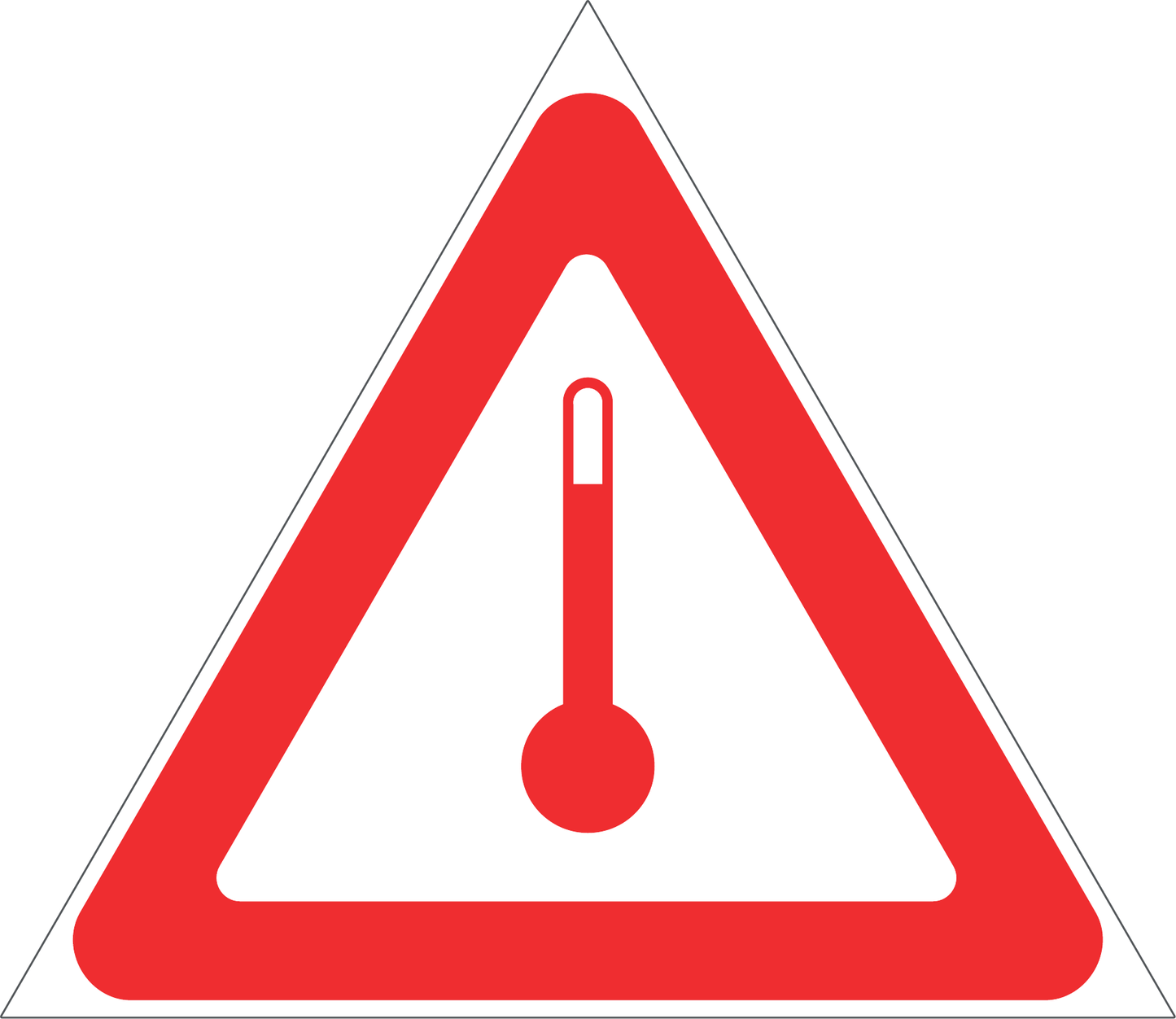
ADR high temperature transport labels provide critical identification for dangerous goods transported at elevated temperatures above 100°C (liquids) or 240°C (solids). These essential safety labels ensure proper recognition of molten materials, heated chemicals, and high-temperature substances, protecting transport personnel from severe burn injuries and thermal hazards during specialized heated cargo operations.
ADR and UN Compliance for High Temperature Dangerous Goods
Our ADR high temperature transport labels comply with ADR regulation 3.3.1 and UN Model Regulations for substances transported at elevated temperatures. The standardized thermometer symbol communicates thermal hazards effectively across language barriers, ensuring international recognition by transport personnel, emergency responders, and handling crews across European borders and worldwide operations.
Heat-Resistant Construction for Extreme Temperature Applications
Manufactured from specially formulated heat-resistant materials designed to withstand extreme temperature environments up to 300°C. Weather-resistant construction ensures durability against moisture, UV exposure, and abrasion while maintaining label integrity at elevated temperatures. High-contrast thermometer graphics provide clear thermal hazard identification even in demanding industrial transport conditions.
Critical for Industrial and Chemical Transport Operations
Strategic placement of high temperature transport labels prevents severe burn incidents by clearly identifying heated cargo requiring specialized thermal protection protocols. Essential for steel manufacturers, chemical plants, glass industries, and molten metal transport operations handling materials like molten sulfur, heated bitumen, elevated temperature chemicals, and industrial processes requiring thermal transport.
Essential for Specialized High-Temperature Industries
Perfect for steel and aluminum plants, chemical manufacturers, asphalt producers, glass manufacturing facilities, and specialized transport companies handling elevated temperature dangerous goods. These labels support compliance with thermal transport regulations while preventing burn injuries, thermal accidents, and safety violations during high-temperature cargo operations across industrial sectors.
Universal Thermal Hazard Communication Standards
ADR high temperature transport labels use internationally standardized thermometer symbols recognized by industrial professionals globally. They enhance thermal safety training programs and support consistent high-temperature handling procedures across multinational transport networks. Clear visual communication reduces burn risks and improves thermal transport safety effectiveness.
Precision Engineering for Extreme Temperature Performance
Each label component—from thermometer symbol clarity to heat-resistant adhesive formulation—meets strict ADR thermal specifications. Precision manufacturing ensures thermal hazard symbols remain visible and adhesive throughout high-temperature transport cycles. Quality materials maintain performance and legibility under extreme thermal conditions where temperature identification is safety-critical.
Free EU Shipping and Thermal Transport Compliance Support
We offer free delivery across the European Union for all high-temperature transport labeling requirements. Bulk quantities available for large industrial operations and specialized transport companies. Our team provides professional support trusted by thermal safety coordinators and dangerous goods officers for elevated temperature transport compliance.
Ensure thermal transport safety and prevent burn incidents with professional ADR high temperature transport labels meeting international thermal hazard standards.
Technical Specifications Section:
Product Specifications:
- Regulation: ADR 3.3.1 - Substances transported at elevated temperatures
- Symbol: Thermometer pictogram indicating thermal hazard
- Colors: Standard thermal warning colors (red thermometer on white)
- Material: Heat-resistant vinyl rated to 300°C
- Adhesive: High-temperature permanent, thermal-resistant
- Temperature Range: Operational up to 300°C continuous exposure
- Sizes Available: Standard ADR thermal label dimensions
- Durability: Heat, chemical, and UV resistant construction
Temperature Thresholds:
- ✓ Liquids - Transported at temperatures ≥100°C
- ✓ Solids - Transported at temperatures ≥240°C
- ✓ Molten Materials - Any substance in molten state
- ✓ Heated Chemicals - Elevated temperature chemical processes
- ✓ Industrial Processes - High-temperature manufacturing transport
High-Temperature Dangerous Goods Applications:
Molten Metal Industries:
- Molten Aluminum - Foundry and automotive applications
- Molten Steel - Steel mill and construction industry transport
- Molten Lead - Battery manufacturing and industrial uses
- Molten Copper - Electrical and plumbing industry applications
- Metal Alloys - Specialized metallurgical transport operations
Chemical Industry Applications:
- Molten Sulfur - Chemical processing and fertilizer production
- Heated Bitumen - Road construction and roofing materials
- Hot Pitch - Industrial coating and sealant applications
- Elevated Temperature Polymers - Plastic and synthetic material transport
- Heated Chemical Reactions - Process chemical transport
Glass and Ceramics:
- Molten Glass - Glassmaking and bottle manufacturing
- Ceramic Slurries - High-temperature ceramic production
- Refractory Materials - Furnace lining and industrial applications
- Glass Cullet - Recycled glass transport at elevated temperatures
Energy and Utilities:
- Hot Asphalt - Road construction and maintenance
- Thermal Oils - Heat transfer fluid transport
- Molten Salt - Concentrated solar power applications
- Heated Petroleum Products - Refinery and distribution operations
Thermal Safety Hazards and Precautions:
Primary Thermal Risks:
- Severe Burns - Direct contact with heated materials
- Thermal Radiation - Heat emission from transport containers
- Fire Hazards - Ignition of combustible materials nearby
- Vapor Hazards - Toxic or irritating vapors from heated substances
- Equipment Damage - Thermal damage to transport vehicles and handling equipment
Safety Protocols:
- Personal Protective Equipment - Heat-resistant clothing, face shields, gloves
- Thermal Insulation - Proper container insulation and heat shields
- Temperature Monitoring - Continuous temperature monitoring systems
- Emergency Procedures - Burn treatment and thermal emergency response
- Vehicle Requirements - Specialized thermal transport equipment
Transport Requirements:
Vehicle Specifications:
- Thermal Insulation - Adequate insulation to prevent heat transfer
- Temperature Monitoring - Continuous temperature recording systems
- Fire Suppression - Enhanced fire protection systems
- Ventilation - Proper ventilation for vapor control
- Driver Training - Specialized thermal transport training required
Documentation Requirements:
- Transport Documents - Special provisions for elevated temperature transport
- Temperature Records - Continuous temperature logging documentation
- Emergency Information - Thermal emergency response procedures
- Route Planning - Approved routes for high-temperature transport
Emergency Response Procedures:
Thermal Emergency Protocol:
- Immediate Isolation - Isolate heated materials from personnel
- Burn Treatment - First aid for thermal burn injuries
- Fire Suppression - Appropriate fire extinguishing methods
- Cooling Procedures - Safe cooling methods for thermal emergencies
- Emergency Services - Contact specialized thermal emergency responders
- Area Evacuation - Evacuate thermal hazard zones as needed
Spill Response:
- Personal Protection - Heat-resistant PPE for response personnel
- Containment - Thermal-resistant containment materials
- Cooling Methods - Safe cooling techniques for spilled heated materials
- Environmental Protection - Prevent thermal damage to environment
FAQ Section:
Q: At what temperature do materials require high temperature transport labels? A: Liquids transported at ≥100°C or solids transported at ≥240°C require high temperature transport labeling per ADR regulations.
Q: Are special vehicles required for high temperature transport? A: Yes, vehicles must have appropriate thermal insulation, temperature monitoring, and safety equipment for elevated temperature dangerous goods.
Q: How long do high temperature labels remain effective? A: Our heat-resistant labels maintain adhesion and visibility throughout typical high-temperature transport cycles up to 300°C.
Q: What emergency equipment is required for high temperature transport? A: Enhanced fire suppression systems, thermal protective equipment, and specialized emergency response procedures are typically required.
Industry Benefits:
Operational Advantages:
- Regulatory Compliance - Meets mandatory ADR thermal transport requirements
- Safety Assurance - Reduces thermal burn and fire risks
- Insurance Coverage - Maintains coverage validity for thermal transport
- Professional Standards - Demonstrates thermal transport expertise
- Cost Prevention - Avoids thermal damage and emergency response costs
Share