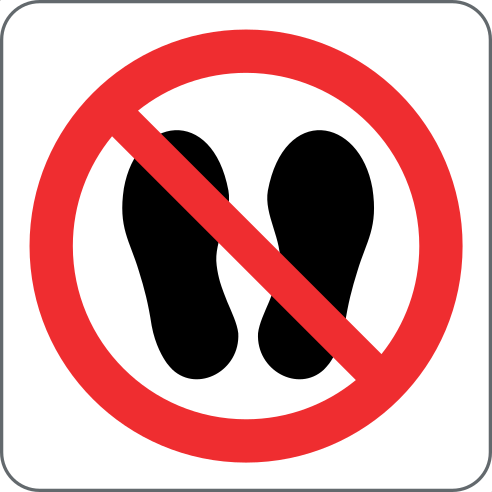
Semn Nu Mergeți sau Stați Aici - Semn ISO 7010 P024 Zonă Restricționată
Semn Nu Mergeți sau Stați Aici - Semn ISO 7010 P024 Zonă Restricționată
Nu am putut încărca disponibilitatea pentru ridicare
Do Not Walk or Stand Here Sign - ISO 7010 P024 Restricted Area Prohibition Sign
Protect workers from hazardous areas with our professional do not walk or stand here safety signs. These ISO 7010 certified prohibition signs (P024) provide clear warning that pedestrian access is forbidden in dangerous zones including overhead hazard areas, structural weak points, equipment operation zones, and falling object paths. Essential for construction sites, warehouses, and industrial facilities where restricted areas prevent serious injuries from falls, crushing hazards, and overhead dangers.
Key Applications:
- Overhead crane operation zones and lifting paths
- Structural weak points and weight-limited surfaces
- Equipment operation areas with crushing hazards
- Falling object zones beneath elevated work
- Loading platform edges and height hazards
- Forklift travel paths and vehicle operation zones
When are do not walk or stand here signs required for workplace safety?
Do not walk or stand here signs are mandatory in areas where pedestrian presence creates serious injury risks from overhead hazards, structural failures, equipment operations, or falling objects. OSHA and workplace safety standards require clear prohibition signage beneath crane paths, on weight-limited surfaces, near crushing equipment, and in zones where standing creates fatal injury risks.
What types of hazardous areas need pedestrian prohibition signage?
Crane operation zones, structural weak points, equipment crushing areas, overhead work zones, loading platform edges, and forklift paths require do not walk or stand here signs. Any area where pedestrian presence creates serious injury risks from overhead hazards, structural collapse, equipment contact, or height-related falls must display clear access prohibition signage.
How do restricted area signs improve workplace safety compliance?
Professional restricted area signs prevent workers from entering dangerous zones, reducing injuries from overhead loads, structural failures, crushing equipment, and falling objects. Proper signage supports hazard awareness training, enforces safety boundaries, and demonstrates regulatory compliance for workplace safety inspections and hazard zone management.
Are restricted area signs necessary for crane operations and overhead lifting?
Yes, restricted area signs are essential for crane operation zones, lifting paths, and overhead work areas where suspended loads create fatal crushing hazards. Safety standards require clear pedestrian prohibition beneath active cranes, during lifting operations, and in swing radius zones where overhead loads pose serious injury risks to workers below.
What size restricted area signs work best for industrial and construction applications?
Restricted area sign sizing depends on hazard zone dimensions and viewing distances. Crane operation areas typically require large signs (300x450mm or 450x600mm) for distant recognition, while specific hazard zones use medium signs (200x300mm or 300x400mm). Construction sites need appropriate sizing for safe visibility from worker approach distances.
Can restricted area signs withstand construction and industrial environments?
Weather-resistant restricted area signs using aluminum, rigid plastic, or industrial-grade materials provide durability for construction sites, warehouses, and outdoor industrial applications. UV-resistant inks and weatherproof construction ensure long-term visibility in harsh conditions including weather exposure, construction activities, and continuous operations.
How do restricted area signs integrate with workplace hazard management programs?
Restricted area signs coordinate with comprehensive hazard management programs, crane safety procedures, and structural integrity protocols. Proper signage supports safety training, equipment operation boundaries, and regulatory compliance while ensuring clear communication of pedestrian restrictions and hazardous zone identification.
What maintenance do restricted area signs require in construction and industrial environments?
Restricted area signs need regular inspection for damage, weather exposure effects, or obstruction in construction and industrial settings. Weekly checks ensure visibility and readability during active operations, while harsh conditions may require more frequent maintenance. Damaged signs compromise critical safety communication and must be replaced immediately.
Do restricted area signs need coordination with equipment operations and safety procedures?
Yes, restricted area signs should be integrated with equipment operation procedures, crane safety protocols, and workplace hazard communication programs. Proper signage supports operational safety and ensures workers understand pedestrian restrictions during crane operations, equipment use, and activities creating overhead hazards or crushing risks.
Order your do not walk or stand here signs today to ensure your facility provides clear, compliant hazardous zone identification for enhanced worker protection and accident prevention.
ISO 7010 P024 Compliance for Hazard Zones
Standardized prohibition symbol P024 ensures international recognition and regulatory compliance across global construction and industrial facilities. Universal design maintains consistency with workplace safety standards and supports multinational hazard zone management programs.
High-Visibility Restricted Area Design
Professional red circle with diagonal line and clear pedestrian prohibition symbol ensures immediate recognition at hazardous zones. High-contrast design maintains visibility in construction lighting conditions and industrial environments for reliable restricted area communication.
Construction & Industrial Durability
Industrial-grade materials withstand construction sites, warehouse operations, and outdoor industrial environments. Weather-resistant construction and UV-stable inks ensure long-term performance in demanding workplace conditions with continuous operations and environmental exposure.
Universal Hazard Zone Communication
Pictogram design transcends language barriers for international construction teams and diverse workforces. Clear visual communication ensures restricted area understanding regardless of language skills or cultural background in multinational construction and industrial facilities.
Professional Hazard Zone Installation
Multiple mounting options including adhesive backing, mechanical fasteners, and temporary barrier mounting for construction applications. Suitable for crane zone marking, structural hazard identification, and equipment operation boundary marking in various industrial settings.
Overhead Crane Operation Safety
Critical for crane operation zones, lifting paths, and load swing areas where suspended loads create fatal crushing hazards. Workers beneath active cranes face serious injury risks from dropped loads, equipment contact, or suspended material requiring strict pedestrian prohibition beneath all crane operations.
Structural Integrity Protection
Essential for weak roofs, weight-limited platforms, and structural hazard areas where pedestrian weight causes collapse, falls through surfaces, or structural failures. Fragile skylights, temporary structures, and deteriorated surfaces require clear prohibition to prevent fall-through accidents and structural collapse injuries.
Equipment Crushing Zone Safety
Important for heavy machinery operation areas, moving equipment zones, and crushing hazard locations where pedestrian presence creates serious injury risks. Compactors, presses, automated equipment, and mobile machinery require restricted area boundaries preventing worker access during operation cycles.
Falling Object Protection
Mandatory beneath elevated work platforms, scaffolding operations, and overhead construction where falling tools, materials, or equipment create head injury risks. Construction activities above require ground-level pedestrian prohibition preventing serious injuries from dropped objects and falling debris.
Loading Platform Edge Safety
Critical at loading dock edges, elevated platforms, and height hazard locations where standing near edges creates fall risks. Platform edges, pit openings, and elevated work areas require clear pedestrian prohibition preventing falls from height and edge-related accidents.
Vehicle & Forklift Operation Zones
Essential in forklift travel paths, vehicle operation areas, and mobile equipment zones where pedestrian presence creates collision and crushing hazards. Active vehicle routes require pedestrian prohibition maintaining separation between workers and mobile equipment operations.
Overhead Crane Dangers
Crane Load Statistics:
- Average industrial crane lifts: 1-20 tonnes
- Heavy-duty cranes: up to 100+ tonnes
- Load drop distance: 3-30 metres typical height
- Impact force: sufficient to cause fatal crushing injuries
Crane Operation Hazards:
- Suspended load swing: Lateral movement during positioning
- Load drops: Equipment failure, rigging failure, operator error
- Boom contact: Crane component movement striking workers
- Load spillage: Materials falling from suspended loads
Structural Collapse Risks
Fragile Roof Hazards:
- Skylights, roof panels, translucent materials
- Weight capacity: often less than 100 kg/m²
- Fall-through accidents cause severe injuries and fatalities
- Weather deterioration reduces structural integrity
Weight-Limited Surfaces:
- Temporary platforms, mezzanines, catwalks
- Load ratings require verification before access
- Concentrated loads may exceed design limits
- Multiple workers create cumulative weight hazards
Equipment Crushing Zones
Industrial Equipment Hazards:
- Compactors: 10-50 tonne crushing force
- Hydraulic presses: 100-1000 tonne force capacity
- Automated systems: no human awareness during cycles
- Mobile equipment: blind spots and reversing operations
Material Options for Construction & Industrial Applications:
- Adhesive PVC: Flexible application, temporary installations, smooth surface mounting
- Rigid Plastic (3mm): Impact-resistant, permanent mounting, industrial durability
- Aluminum (2mm): Maximum durability, outdoor installations, weather resistance
- Reflective Materials: Enhanced visibility, low-light conditions, vehicle approach zones
Restricted Area Compliance Standards:
- ISO 7010 P024 certified symbol for international hazard zone recognition
- OSHA workplace safety signage requirements compatible
- Construction site safety directive compliance
- Industrial hazard communication standard alignment
Size Options for Workplace Applications (Metric):
- Small hazard labels: 100x150mm to 150x200mm
- Standard zone signs: 200x300mm to 300x400mm
- Large area warnings: 450x600mm to 600x800mm
- Custom sizing available for specialized applications
Recommended Placement Distances (Metric):
- Crane operation zones: 5-10 metre radius from load path
- Structural hazards: 2-3 metre perimeter around weak areas
- Equipment crushing zones: 3-5 metre safety boundary from machinery
- Height hazards: 2-3 metre setback from platform edges
Effective Sign Placement Strategy
Visibility Requirements:
- Mount at eye level: 1.4-1.7 metres height
- Multiple angles: ensure visibility from all approach directions
- Adequate spacing: signs every 10-15 metres on long boundaries
- Supplementary barriers: combine with physical barriers when possible
Temporary vs. Permanent Applications:
- Temporary (construction, maintenance): Adhesive or temporary stands
- Permanent (structural hazards, equipment zones): Mechanical mounting
- Seasonal (weak roofs in winter): Weather-specific placement
- Dynamic (crane operations): Mobile barriers with integrated signage
Compliance Documentation
Risk Assessment Requirements:
- Document hazard identification and severity
- Justify restricted area boundaries with measurements
- Photograph sign placement for compliance records
- Review and update during facility changes or incidents
Share