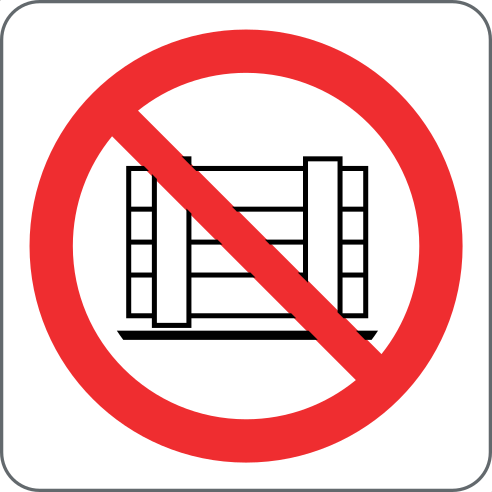
Nu obstrucționați semnul ISO 7010 (P023)
Nu obstrucționați semnul ISO 7010 (P023)
Nu am putut încărca disponibilitatea pentru ridicare
Semnal de acces în caz de urgență - ISO 7010 (P023) & Indicator rută de evacuare
Asigurați conformitatea cu normele de acces în caz de urgență prin intermediul semnelor noastre de siguranță profesionale, fără obstrucționarea acestora. Aceste semne de interdicție certificate ISO 7010 oferă un avertisment critic că ieșirile de urgență, echipamentele de stingere a incendiilor, rutele de evacuare și accesul la echipamentele de siguranță trebuie să rămână libere în permanență pentru a asigura un răspuns rapid la situații de urgență și evacuarea în siguranță a clădirii. Esențiale pentru toate locurile de muncă europene unde reglementările de siguranță la incendiu și codurile de construcție impun accesul de urgență neobstrucționat pentru siguranța vieții și respectarea reglementărilor.
Aplicații cheie:
- Uși de ieșire de urgență și rute de evacuare
- Dulapuri și role pentru stingătoare de incendiu
- Puncte de apelare a alarmei de incendiu și echipamente de urgență
- Camere de tablouri electrice și acces la utilități
- Puncte de adunare în caz de urgență și zone de adunare
- Zone de acces pentru ambulanțe și rute pentru vehicule de urgență
Când sunt semnele de interzicere a obstrucției impuse prin lege de reglementările europene privind siguranța la incendiu?
Conform directivelor europene de siguranță la incendiu și codurilor naționale de construcție, indicatoarele „Nu obstrucționați” sunt obligatorii din punct de vedere legal la toate ieșirile de urgență, amplasamentele echipamentelor de stingere a incendiilor, rutele de evacuare și punctele de acces de urgență. Legislația UE privind locul de muncă impune menținerea unui acces liber în caz de urgență la lățimi minime (de obicei 800-1200 mm pentru ieșiri), asigurând evacuarea rapidă și accesul personalului de intervenție în caz de incendiu sau situații de urgență.
Ce tipuri de zone necesită semnalizare de interzicere a obstrucțiilor în instalațiile europene?
Rutele de ieșire de urgență, amplasamentele stingătoarelor de incendiu, punctele de alarmă de incendiu, camerele tablourilor electrice, zonele de adunare în caz de urgență și zonele de acces pentru ambulanțe impun afișarea unor semnalizări de interdicție în întreaga Europă. Orice zonă în care obstrucțiile împiedică evacuarea de urgență, accesul echipamentelor de pompieri sau intrarea personalului de intervenție trebuie să afișeze semnalizare clară de interdicție, asigurând siguranța vieții și respectarea reglementărilor.
Cum îmbunătățesc semnele de interzicere a obstrucțiilor conformitatea cu normele de siguranță la incendiu la locul de muncă?
Semnalizarea profesională „Nu obstrucționați” previne depozitarea, parcarea și amplasarea echipamentelor, blocând accesul în caz de urgență, asigurând evacuarea rapidă în timpul incendiilor și situațiilor de urgență. Semnalizarea adecvată susține instruirea în domeniul securității împotriva incendiilor, menține distanțe libere necesare și demonstrează conformitatea cu reglementările în timpul inspecțiilor de siguranță la incendiu și al auditurilor codurilor de construcție din cadrul instalațiilor europene.
Sunt necesare semnele „Nu obstrucționați” pentru accesul echipamentelor de stingere a incendiilor și al panourilor electrice?
Indicatoarele „Da, nu obstrucționați” sunt esențiale la dulapurile de stingătoare, la tamburele de furtunuri, la punctele de alarmă de incendiu și la panourile de distribuție electrică, unde accesul imediat în timpul situațiilor de urgență salvează vieți omenești și previne escaladarea incendiului. Standardele europene de siguranță la incendiu impun de obicei zone libere de 1-2 metri în jurul echipamentelor de stingere a incendiilor, asigurând accesul neobstrucționat în situațiile de urgență.
Ce dimensiuni ale indicatoarelor „nu obstrucționează” sunt cele mai potrivite pentru aplicațiile europene de acces în caz de urgență?
Dimensiunea indicatorului „Nu obstrucționați” depinde de importanța locației și de distanțele de vizibilitate. Rutele de ieșire de urgență necesită de obicei indicatoare mai mari (200x300 mm sau 300x400 mm) pentru recunoaștere la distanță, în timp ce amplasamentele echipamentelor de pompieri utilizează indicatoare medii (150x200 mm sau 200x300 mm). Camerele electrice și punctele de adunare necesită dimensiuni adecvate pentru o vizibilitate clară și conformitate cu reglementările.
Pot semnele care nu obstrucționează să reziste la mediile europene de interior și exterior?
Semnele rezistente la intemperii, care nu obstrucționează vizibilitatea, din aluminiu, plastic rigid sau materiale fotoluminescente, oferă durabilitate atât pentru instalațiile de interior, cât și pentru aplicațiile exterioare din Europa. Cernelurile rezistente la UV și construcția rezistentă la intemperii asigură vizibilitate pe termen lung în ciuda variațiilor climatice europene, curățarea instalațiilor și utilizarea continuă, menținând comunicarea de acces în caz de urgență.
Cum se integrează semnalele „nu obstrucționează” cu programele de siguranță la incendiu și de gestionare a situațiilor de urgență?
Semnalizarea „Nu obstrucționați” se coordonează cu programele complete de siguranță la incendiu, planurile de evacuare în caz de urgență și procedurile de gestionare a instalațiilor. Semnalizarea adecvată susține exercițiile de incendiu, protocoalele de inspecție a echipamentelor și conformitatea cu reglementările, asigurând în același timp o comunicare clară a cerințelor de spațiu liber și a protecției accesului în caz de urgență în toate instalațiile europene.
Ce tipuri de întreținere sunt necesare pentru semnele care nu obstrucționează vizibilitatea în mediile instalațiilor?
Indicatoarele „Nu obstrucționați” necesită inspecții regulate pentru a depista deteriorarea, obstrucționarea sau problemele de vizibilitate în timpul inspecțiilor de rutină privind siguranța la incendiu. Verificările lunare asigură că indicatoarele rămân vizibile și eficiente, în timp ce auditurile trimestriale privind siguranța la incendiu verifică respectarea cerințelor de spațiu liber. Indicatoarele deteriorate sau ascunse compromit accesul în caz de urgență și trebuie reparate imediat.
Semnele de interzicere a obstrucției necesită coordonare cu inspecțiile de siguranță la incendiu și codurile de construcție?
Indicatoarele „Da, nu obstrucționați” ar trebui integrate în programele de inspecție a securității la incendiu, auditurile de conformitate cu codurile de construcție și procedurile de pregătire pentru situații de urgență. Semnalizarea adecvată susține documentația de conformitate cu reglementările, inspecțiile autorităților de pompieri și cerințele de asigurare, asigurând că instalațiile mențin autorizațiile de acces în caz de urgență obligatorii din punct de vedere legal în întreaga Europă.
Comandați astăzi indicatoarele „Interzisă obstrucționarea” pentru a vă asigura că unitatea dumneavoastră respectă pe deplin reglementările europene de siguranță la incendiu și cerințele de acces în caz de urgență.
Conformitate cu ISO 7010 pentru acces în caz de urgență - P023
Designul standardizat al interdicțiilor asigură recunoașterea în toate statele membre ale UE și în instalațiile internaționale. Simbolul universal menține consecvența cu directivele europene de siguranță la incendiu și susține protecția accesului în caz de urgență la nivel multinațional în diverse locuri de muncă europene.
Design de siguranță în caz de urgență cu vizibilitate ridicată
Cercul roșu profesional cu linie diagonală și simbolul clar de interzicere a obstrucțiilor asigură recunoașterea imediată în locațiile critice de siguranță. Designul cu contrast ridicat menține vizibilitatea în condiții de iluminare de urgență, în medii pline de fum și în situații de lumină slabă, pentru o comunicare fiabilă în caz de urgență.
Durabilitate în domeniul siguranței la incendiu la nivel european
Materialele de calitate industrială rezistă la mediile europene ale instalațiilor, de la clădiri de birouri la depozite industriale. Construcția rezistentă la decolorare menține vizibilitatea de-a lungul anilor de utilizare, de funcționare a instalațiilor și de expunere la mediu, asigurând protecția pe termen lung a accesului în caz de urgență și conformitatea cu reglementările.
Vizibilitate fotoluminescentă în caz de urgență
Opțiunile fotoluminescente oferă vizibilitate în timpul penelor de curent și al situațiilor de urgență atunci când iluminatul normal se defectează. Indicatoarele fosforescente mențin comunicarea de acces în caz de urgență în timpul defecțiunilor electrice, incendiilor și scenariilor de evacuare, esențiale pentru conformitatea cu reglementările europene privind siguranța la incendiu.
Instalare profesională europeană
Multiple opțiuni de montare, inclusiv suport adeziv, elemente de fixare mecanice și montare pe perete pentru instalări permanente. Potrivit pentru marcarea ieșirilor de urgență, protecția echipamentelor de incendiu și identificarea rutelor de evacuare, respectând standardele europene de instalare și cerințele de siguranță la incendiu.
Protecția rutei de ieșire de urgență
Esențial pentru ușile de ieșire de urgență, coridoarele de evacuare și căile de ieșire unde obstacolele blochează rutele de siguranță în timpul incendiilor și situațiilor de urgență. Reglementările europene privind siguranța la incendiu impun lățimi libere minime de 800-1200 mm pentru rutele de evacuare, asigurând evacuarea rapidă a clădirilor și prevenind blocajele fatale în timpul evacuărilor de urgență.
Întreținerea accesului la echipamentele de pompieri
Esențial la dulapurile de stingere, stațiile de înfășurare a furtunurilor și punctele de apelare a alarmei de incendiu, unde accesul imediat la echipamente previne escaladarea incendiului. Standardele europene impun de obicei o distanță minimă de 1 metru în jurul echipamentelor de stingere a incendiilor, asigurând că pompierii și personalul instruit pot accesa rapid echipamentele de salvare a vieții în timpul intervenției de urgență.
Acces de urgență la panoul electric
Important pentru tablourile de distribuție electrică, camerele de distribuție și locațiile de oprire a utilităților, unde izolarea alimentării de urgență previne electrocutarea și incendiile electrice. Codurile europene de siguranță electrică impun un spațiu de lucru liber de 1-1,5 metri în fața echipamentelor electrice, asigurând accesul în caz de urgență și operațiunile de întreținere în siguranță.
Protecția Punctului de Adunare în Situații de Urgență
Obligatoriu în punctele de adunare și zonele de adunare desemnate, unde responsabilitatea angajaților în timpul evacuărilor necesită spații de adunare libere. Obstrucțiile din punctele de adunare împiedică numărarea exactă a personalului, întârzie echipajele de intervenție în caz de urgență și compromit eficacitatea evacuării, necesitând semnalizare clară a interdicției și protecție a zonei.
Ambulanţă & Accesul vehiculelor de urgență
Critic la intrările în clădiri, la rampele de încărcare și la rutele de acces de urgență, unde vehiculele de urgență necesită căi de acces libere. Codurile europene de construcție impun rute de acces pentru ambulanțe cu lățimi minime (de obicei 3-4 metri) și diametre de bracaj, asigurând un răspuns medical rapid în caz de urgență și accesul vehiculelor de pompieri.
Zone de degajare a ușilor antifoc
Esențial în jurul ușilor antifoc, barierelor de fum și elementelor de compartimentare unde obstrucțiile împiedică funcționarea corectă a ușii în timpul incendiilor. Ușile antifoc necesită zone de basculare libere (de obicei cu o rază de 900 mm) pentru a asigura funcționarea corectă a sistemelor de închidere automată și menținerea eficienței compartimentării antifoc în timpul incendiilor.
Autorizații minime de reglementare
Rute de ieșire de urgență (standarde europene):
- Lățimea minimă a coridorului: 800 mm (ocupare individuală) până la 1200 mm (ocupare multiplă)
- Distanță liberă pentru deschiderea ușii de ieșire: rază minimă de 900 mm
- Înălțime liberă la plafon: minimum 2000 mm pe parcursul rutelor de evacuare
- Obstrucționarea coridorului: absolut interzisă în timpul orelor de ocupare
Zone de acces pentru echipamente de pompieri:
- Distanță pentru stingătorul de incendiu: rază minimă de 1 metru (cerință tipică)
- Distanță liberă pentru tamburul furtunului de incendiu: rază de 1,5 metri pentru funcționare
- Punct de alarmă de incendiu: 600 mm distanță pentru vizibilitate și acces
- Supapă de control al sprinklerelor: Distanță minimă de 1 metru
Distanțe de siguranță electrică:
- Panouri de joasă tensiune (până la 1000V): distanță de lucru de 1 metru
- Echipament de înaltă tensiune: 1,5 metri+, în funcție de tensiune
- Acces pentru oprire de urgență: imediat și neobstrucționat
- Depozitarea în încăperi electrice este interzisă (interdicție absolută)
Accesul vehiculelor de urgență:
- Trasee de acces pentru ambulanțe: lățime minimă de 3-4 metri
- Acces pentru vehiculele de pompieri: lățime minimă de 3,7 metri (tipic)
- Cercuri de bracaj: 16.Diametru de 8 metri pentru dispozitive de stingere a incendiilor
- Înălțime maximă deasupra capului: minimum 4 metri pentru vehiculele de urgență
Executare & Penalizări
Consecințele inspecției de siguranță la incendiu:
- Notificări imediate de încălcare pentru ieșirile obstrucționate
- Intervale de penalizare: €500-€50,000+ în funcție de gravitate și țară
- Închiderea potențială a unității pentru încălcări grave
- Riscuri de invalidare a polițelor de asigurare
- Răspunderea penală în caz de vătămări corporale sau decese cauzate de incendii
Cerințe privind documentația:
- Jurnalele lunare de verificare a autorizației de circulație
- Dovezi fotografice ale menținerii autorizațiilor de circulație
- Rapoarte de exerciții de incendiu care documentează evacuarea fără obstacole
- Semnătura managerului de unitate privind starea fără obstacole
- Înregistrări anuale ale inspecțiilor de siguranță la incendiu
Probleme tipice de conformitate
Obstrucții la ieșirea de urgență:
- Cutii de depozitare, paleți sau echipamente care blochează ușile
- Amplasarea temporară de mobilier în coridoarele de evacuare
- Uși de ieșire încuiate sau cu lanț (încălcare gravă)
- Semnalizare sau afișaje care reduc lățimea ieșirilor sub limita minimă
- Echipamente de întreținere lăsate în casele scărilor
Blocaje ale echipamentelor de pompieri:
- Stoc sau inventar depozitat în fața stingătoarelor
- Amplasarea mobilierului blocând punctele de apelare a alarmei de incendiu
- Plante sau afișaje decorative care ascund echipamentele de pompieri
- Bariere temporare în timpul renovărilor
- Coșuri de gunoi amplasate în zonele cu echipamente de stingere a incendiilor
Probleme de acces la panoul electric:
- Crearea de dulapuri de depozitare în camerele electrice
- Echipamente sau unelte depozitate lângă ușile panourilor
- Produse sau substanțe chimice de curățare în zonele electrice
- Materiale de construcție temporare care blochează accesul
- Echipamente sau mobilier de birou în zonele de degajare
Strategii de prevenire
Sisteme de marcare a podelei:
- Zone hașurate cu roșu care indică zone fără obstrucții
- Marcaje clare pe podea în jurul echipamentelor de stingere a incendiilor (rază de 1 metru)
- Linii de delimitare a traseului de ieșire pe podelele coridoarelor
- Marcaje perimetrale ale punctelor de adunare
- Delimitarea rutei de acces pentru vehicule
Instruirea personalului & Conștientizare:
- Ședințe lunare de informare privind cerințele de autorizare privind siguranța la incendiu
- Orientare pentru noii angajați, inclusiv politici de obstrucționare a situației
- Semnalizare vizibilă de avertizare în locuri strategice
- Responsabilitățile managerului pentru supravegherea zonei
- Proceduri de raportare a încălcărilor observate
Opțiuni de materiale pentru aplicații europene:
- Plastic rigid (1-3 mm): Economice, aplicații în interior, durată de viață de 5-7 ani
- Aluminiu (1-2 mm): Durabilitate maximă, utilizare în exterior, performanță de peste 10 ani
- PVC adeziv: Aplicare flexibilă, suprafețe netede, detașabile dacă este necesar
- Fotoluminescent: Vizibilitate în caz de urgență, performanță de strălucire de peste 10 ani, situații de pene de curent
Conformitate cu reglementările europene privind siguranța la incendiu:
- Simbol de interdicție certificat ISO 7010 pentru recunoaștere la nivelul întregii UE
- Respectarea directivei privind siguranța la incendiu în statele membre
- Alinierea reglementărilor în construcții cu codurile naționale de incendiu
- Compatibilitate standard pentru ieșirea de urgență
Opțiuni de dimensiuni pentru aplicații de urgență (metrice):
- Indicatoare standard: 150x200mm până la 200x300mm (ieșiri și echipamente tipice)
- Indicatoare pentru suprafețe mari: 300x400mm până la 400x500mm (ieșiri principale, puncte de adunare)
- Etichete compacte: 100x150mm (panouri electrice, echipamente minore)
- Dimensiuni personalizate disponibile pentru aplicații europene specializate de siguranță la incendiu
Înălțimi de instalare recomandate (metrice):
- Ieșiri de urgență: 1.8-2,1 metri deasupra nivelului podelei
- Echipament de pompieri: 1,4-1,7 metri (nivelul ochilor)
- Indicatoare montate pe podea: direct adiacente zonelor protejate
- Semne fotoluminescente: acolo unde este prevăzut iluminat de urgență
Plasare strategică pentru siguranța vieții
Locații critice ale semnelor:
- Direct pe ușile de ieșire de urgență (deasupra sau lângă)
- Nivelul podelei la bazele ușilor de ieșire (semne fotoluminescente pentru podea)
- Pe pereții adiacenți dulapurilor de stingătoare
- Deasupra punctelor de apelare a alarmei de incendiu
- Pe ușile camerei electrice și pe pereții adiacenți
- La intrările în punctele de adunare de urgență
Optimizarea vizibilității:
- Semne vizibile din mai multe unghiuri de abordare
- Iluminare care asigură vizibilitate 24 de ore din 24
- Opțiuni fotoluminescente pentru scenarii de întrerupere a alimentării cu energie electrică
- Vizibilitate clară, fără obstrucții cauzate de operațiunile normale
- Marcaje suplimentare la podea care îmbunătățesc mesajul
Măsuri suplimentare:
- Bariere fizice (stâlpi, lanțuri) care împiedică invadarea terenurilor
- Marcarea cu vopsea a podelei pentru zonele fără obstrucții
- Proceduri regulate de monitorizare și aplicare a legii
- Software de gestionare a facilităților care urmărește conformitatea
- Alerte automate pentru încălcări ale autorizației de acces
Share