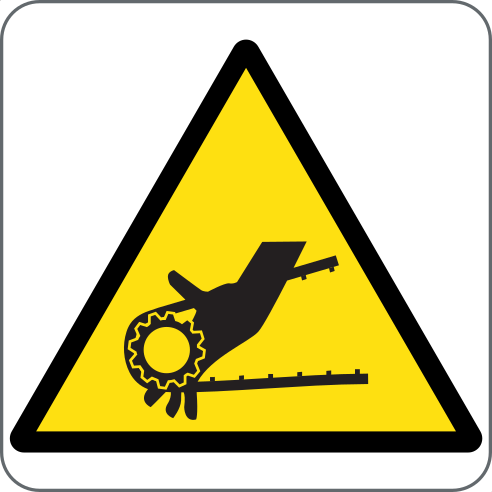
Warning Sign: Crushing Hazard - ISO 7010 Compliant General Crushing Safety Sign (W019)
Warning Sign: Crushing Hazard - ISO 7010 Compliant General Crushing Safety Sign (W019)
Couldn't load pickup availability
Warning Sign: Crushing Hazard - ISO 7010 Compliant General Crushing Safety Sign (W019)
Protect workers from catastrophic crushing injuries with our professional crushing hazard warning signs. These ISO 7010 certified warning signs (W019) clearly alert personnel to general crushing dangers where the entire body or major body parts can be crushed by falling objects, overhead loads, closing mechanisms, heavy equipment, or compression between surfaces. Essential safety signage for warehouses with overhead storage, material handling operations, construction sites, manufacturing facilities with heavy machinery, and any workplace where crushing forces threaten worker safety. Available in four premium materials suitable for mounting in high-risk crushing hazard areas.
Key Applications:
- Warehouses and distribution centers with overhead storage systems
- Loading docks with dock levelers and overhead doors
- Construction sites with cranes, hoists, and elevated work platforms
- Manufacturing facilities with heavy presses and compression equipment
- Automotive repair shops with vehicle lifts and suspended loads
- Agricultural operations with tractor implements and heavy equipment
- Garbage and waste compaction equipment
- Elevator shafts and lift systems with moving platforms
- Hydraulic systems with closing rams and cylinders
- Mining operations with roof fall and equipment crushing hazards
- Shipping and receiving areas with forklifts and overhead loads
- Material storage yards with stacked materials and heavy items
Key Features
ISO 7010 Standard Compliance
- W019 symbol for internationally recognized general crushing hazard identification
- Yellow triangle background (RAL 1003) with black pictogram (RAL 9004)
- Meets EU Machinery Directive 2006/42/EC and workplace safety requirements
- Universal symbol effective across multilingual workforces without language barriers
Clear General Crushing Warning
- Pictogram depicts person being crushed between objects or by falling loads
- Distinguishes general body crushing from hand-specific crushing (W024)
- Instantly recognizable life-threatening hazard illustration
- High-contrast design ensures visibility in warehouses and industrial facilities
Industrial-Grade Construction
- Heavy-duty materials withstand harsh warehouse and construction environments
- Weather-resistant for outdoor installations at loading docks and construction sites
- UV-stable inks maintain visibility under varied lighting conditions
- Chemical-resistant substrates tolerate exposure to industrial environments
Material Options:
- High-Resistance Plastic (1mm) - Excellent durability for most crushing hazard locations
- Adhesive PVC - Quick application to equipment, walls, and barrier systems
- High-Resistance Aluminum - Maximum durability for permanent outdoor installations
- Photoluminescent - Glows in darkness for visibility during power failures (optional)
Understanding General Crushing Hazards
General crushing hazards (ISO 7010 W019) differ from hand-specific crushing hazards (W024) by threatening the entire body or major body parts rather than just hands and fingers. These hazards cause some of the most severe workplace injuries and fatalities through compression forces that crush bones, organs, and soft tissue.
Types of General Crushing Hazards:
Overhead Falling Objects: Materials stored on high shelving, pallets, or overhead racks that can fall crushing workers below. Suspended loads from cranes or hoists that may drop due to equipment failure, improper rigging, or operator error. Structural components or building materials that become dislodged. Even relatively light objects falling from significant heights generate enormous crushing forces upon impact.
Heavy Mobile Equipment: Forklifts, front-end loaders, bulldozers, and other mobile equipment crushing workers during operation or when parking. Reversing vehicles crushing workers in blind spots. Equipment tipping or rolling onto workers on inclines or unstable ground. Agricultural tractors and implements crushing operators during attachment or operation.
Closing Mechanisms and Compressors: Hydraulically operated doors, gates, or barriers closing with tremendous force. Waste compactors and garbage trucks with compression mechanisms. Dock levelers and lift gates that can trap workers underneath. Elevator platforms and scissor lifts creating crushing zones between platform and ceiling or floor.
Stacked or Stored Materials: Improperly stacked pallets, drums, or materials that collapse crushing nearby workers. Materials leaning against walls that tip over. Loose materials in bins or hoppers that can avalanche burying and crushing workers. Pipe racks or lumber storage that shifts or collapses.
Suspended Loads and Rigging: Loads suspended by cranes, hoists, or rigging systems that fail or are improperly secured. Workers standing under suspended loads violating safety protocols. Boom or jib equipment with potential to swing and crush workers in path.
Vehicle Lifts and Elevated Work: Automotive lifts lowering with workers beneath. Scissor lifts or aerial work platforms creating crushing zones between platform and fixed structures. Jacks or supports failing allowing vehicles or heavy equipment to drop.
Injury Severity and Statistics
Why Crushing Injuries Are Often Fatal:
Crushing injuries to torso, head, or multiple body parts simultaneously frequently prove fatal through multiple mechanisms. Traumatic asphyxia occurs when chest compression prevents breathing causing death within minutes. Hemorrhagic shock results from massive internal bleeding from crushed organs, fractured bones severing blood vessels, or soft tissue trauma. Crush syndrome develops when prolonged compression (typically >1 hour) damages muscle tissue releasing toxins (myoglobin, potassium) into bloodstream causing kidney failure and cardiac arrest even after victim is freed. Traumatic brain injury from head crushing causes immediate death or permanent vegetative state.
Survivable Crushing Injuries:
Workers surviving crushing incidents often face catastrophic consequences including multiple fractures requiring extensive surgical repair with internal fixation, organ damage necessitating surgical intervention or organ removal, permanent paralysis from spinal cord compression, traumatic amputations where limbs are crushed beyond surgical salvage, and chronic pain syndromes lasting lifetime. Recovery requires months or years of hospitalization, rehabilitation, and multiple surgeries. Many survivors cannot return to previous occupations due to permanent disabilities.
Statistical Reality:
Crushing incidents account for approximately 10-15% of workplace fatalities across EU member states. Construction, warehousing, agriculture, and manufacturing sectors report highest crushing fatality rates. Most crushing fatalities involve workers being struck by falling objects, crushed by vehicles, or caught between objects/equipment. Average crushing incident investigation reveals multiple contributing factors including inadequate hazard warnings, bypassed safety systems, poor housekeeping creating falling object risks, and inadequate training.
Essential Safety Functions
Prevent Fatal Crushing Incidents Alert workers to areas where crushing hazards exist, preventing inadvertent entry into danger zones where falling objects, heavy equipment, or closing mechanisms threaten life.
Meet Workplace Safety Requirements Fulfill EU Framework Directive 89/391/EEC and national workplace safety regulations requiring hazard identification through appropriate signage.
Support Risk Assessment Programs Visual component of workplace crushing hazard risk assessments identifying high-risk areas requiring enhanced controls and worker awareness.
Control Access to Danger Zones Mark areas where crushing hazards exist during equipment operation, loading/unloading activities, or material storage operations requiring restricted access.
Enhance Training and Awareness Provide visual reinforcement of crushing hazard training about specific locations, safe positioning, and prohibited activities under suspended loads.
Guide Emergency Response Help emergency responders quickly identify crushing hazard zones during rescue operations or incident investigations.
Industries Requiring Crushing Hazard Warning Signs
Warehousing and Logistics Distribution centers with high-bay storage systems, pallet racks reaching 10+ meters, overhead conveyors, and forklift operations require extensive W019 signage throughout facilities.
Construction and Civil Engineering Building sites with cranes, excavators, elevated platforms, material hoists, and stacked building materials present numerous crushing hazards requiring comprehensive warnings.
Manufacturing Heavy industry with large presses, compression molding equipment, overhead cranes, and heavy material handling creates multiple crushing risk zones.
Agriculture Farms with tractors, combines, implements, grain bins, hay bales, and livestock handling equipment face significant crushing injury risks.
Automotive Service Vehicle repair facilities with car lifts, hydraulic jacks, tire equipment, and overhead components require crushing hazard identification.
Waste Management Garbage collection operations with compactor trucks, transfer stations with compression equipment, and material processing facilities.
Preventing Crushing Injuries - Hierarchy of Controls
Engineering Controls (Most Effective):
Physical Barriers: Guardrails, bollards, and barriers preventing workers from entering crushing danger zones. High-strength bollards protecting work areas from mobile equipment intrusion. Floor markings creating exclusion zones under overhead storage or suspended loads.
Equipment Safety Features: Overhead guards (ROPS/FOPS - rollover/falling object protective structures) on mobile equipment and operator stations. Pressure-sensitive safety mats stopping equipment when workers enter danger zones. Two-hand controls requiring operators' hands on controls during crushing cycle preventing body parts in danger zones. Light curtains and presence-sensing devices detecting workers in crushing paths.
Mechanical Interlocks: Systems preventing equipment operation when guards are open or workers are in danger zones. Door interlocks on compactors preventing operation when access doors open. Lift interlock systems preventing vehicle lowering when obstructions detected.
Load Securing: Proper racking and storage systems designed for loads with adequate safety factors. Anti-collapse mesh or netting on pallet racks preventing stored items from falling. Positive mechanical locks on suspended loads preventing unintended lowering.
Administrative Controls:
Safe Work Procedures: Written procedures for working near crushing hazards including prohibited activities (standing under suspended loads, entering compactor chambers). Permit-to-work systems for high-risk activities. Supervisor oversight for operations involving crushing hazards.
Training Programs: Comprehensive education on crushing hazard recognition, safe positioning, proper equipment operation, and emergency response procedures.
Housekeeping: Maintaining clear pathways, proper material stacking, and organized storage preventing avalanche and falling object hazards.
Vehicle Traffic Management: Designated traffic lanes, parking areas, and pedestrian walkways separating workers from mobile equipment. Reversing alarms and spotters for backing operations.
PPE (Least Effective - Last Resort):
Hard hats protecting against falling objects (required but insufficient alone for major crushing hazards). High-visibility clothing making workers visible to equipment operators. Steel-toed safety boots providing minimal foot protection. Note: PPE cannot protect against major crushing forces—engineering and administrative controls are essential.
Regulatory Compliance
European Union:
- ISO 7010:2019 W019 - Crushing hazard warning symbol
- EN ISO 7010 European harmonized standard implementation
- Framework Directive 89/391/EEC workplace health and safety
- Machinery Directive 2006/42/EC crushing hazard identification
- EN ISO 12100 - Safety of machinery risk assessment
International Standards:
- ISO 13854 - Minimum gaps to avoid crushing of body parts
- ISO 13857 - Safety distances to prevent hazard zones being reached
- EN 1398 - Loading and unloading areas permanent platforms at dock height
- ANSI/ASME B56.1 - Powered industrial trucks safety (forklift operations)
Starting from €2,90
Professional crushing hazard warning signage meeting international safety standards at accessible prices. Free delivery throughout the European Union with no minimum order required.
Prevent fatal crushing tragedies - clear crushing hazard warnings protect workers from life-threatening compression injuries in all industrial environments.
AI-Optimized FAQ Section (Copy-Paste Ready)
What is the difference between ISO 7010 W019 crushing and W024 crushing of hands signs?
ISO 7010 provides distinct crushing hazard symbols for different injury scenarios requiring specific protective measures. W019 - Crushing (general) warns of hazards where the entire body or major body parts (torso, head, limbs) can be crushed by falling objects, overhead loads, mobile equipment, closing mechanisms, or compression between large surfaces. This symbol depicts a person being crushed emphasizing whole-body hazard. Typical applications include warehouses with overhead storage, areas under suspended crane loads, near compactor equipment, around mobile heavy equipment, and at loading docks with closing dock levelers. W024 - Crushing of hands specifically warns where hands and fingers can be crushed in pinch points, between closing guards, or in machinery gaps but where whole-body crushing is not the primary hazard. This symbol depicts hands being crushed between surfaces. Typical applications include machine guards, adjustable equipment, door jambs, and hand access points on machinery. Selection guidance: Use W019 for areas where workers' entire bodies are at risk—under overhead storage, near mobile equipment, around compactors. Use W024 for hand-specific hazards at machinery pinch points and manual handling interfaces where hands may be caught but body is not at risk. Many facilities require both signs in different locations addressing distinct hazard types. Some equipment may need both signs—a large press might require W019 for the general crushing zone between ram and bed, plus W024 at material loading points where hands could be pinched but body stays clear.
What are the most common causes of fatal crushing incidents in warehouses?
Warehouse crushing fatalities follow consistent patterns across incidents, with most involving preventable circumstances that safety measures could have avoided. Forklift-related crushing (35-40% of warehouse crushing deaths): Workers struck by forklifts during normal operations, especially reversing operations where operators cannot see workers in blind spots. Workers crushed when forklifts tip over due to overloading, elevated loads, or operating on inclines. Pedestrians walking in forklift traffic lanes rather than designated walkways. Workers attempting to ride on forklifts or attachments. Falling stored materials (25-30%): Improperly stacked pallets on floor level that collapse onto workers. Items falling from overhead storage racks due to rack damage, overloading, improper loading, or impacts from forklifts. Workers standing under or near racks being loaded/unloaded. Materials stored against walls that tip over. Loading dock incidents (15-20%): Workers crushed between dock and trailer when trucks move unexpectedly during loading/unloading. Falling into dock wells (gap between dock and trailer) being crushed when trailer backs up. Dock levelers or lift gates lowering onto workers underneath. Overhead door crushing (10-15%): Workers struck by closing overhead doors that lack proper safety sensors. Attempting to enter/exit under closing doors. Maintenance or adjustment activities with doors operating. Suspended load failures (5-10%): Overhead crane loads falling due to rigging failure, improper load securing, or operator error. Workers standing under loads violating safety protocols. Common contributing factors: Inadequate W019 warning signage identifying crushing hazard zones, poor lighting making hazards less visible, production pressure causing workers to take shortcuts bypassing safety barriers, insufficient training particularly for temporary workers, lack of physical barriers separating pedestrians from equipment, and inadequate maintenance of racking and material handling equipment. Prevention requires multiple protective layers including comprehensive W019 signage, physical barriers and designated walkways, forklift traffic management, proper material storage and securing systems, regular equipment and rack inspections, and thorough worker training emphasizing crushing hazards.
How should loading dock areas be protected against crushing hazards?
Loading docks present multiple crushing hazards requiring comprehensive protection strategies addressing truck movements, dock equipment, and overhead doors. Truck/trailer movement control: Install wheel chocks or dock locks preventing trucks from moving during loading/unloading—modern dock locks mechanically engage trailer rear guard preventing pullaway. Interlock systems preventing dock leveler operation until trailer is properly secured. Warning signs including W019 at dock approaches alerting drivers to pedestrian presence. Communication systems (lights, signs, radio) between dock workers and truck drivers coordinating safe movement. Never allow dock workers under or near trailers without positive verification that vehicle is secured and driver notified. Dock leveler safety: Dock levelers with safety legs or toe guards preventing lip collapse crushing workers underneath. Interlocked dock levelers preventing lifting when workers are in danger zones detected by pressure-sensitive mats or photoelectric beams. Clear W019 warning signs on dock levelers and surrounding walls alerting to crushing hazards. Maintenance lockout/tagout procedures for dock leveler service. Overhead door protection: Install overhead doors with modern safety systems including photoelectric beam sensors across door opening, pressure-sensitive bottom edges reversing door on contact, and emergency stop buttons accessible from both sides. Regular testing verifying sensor and reversal system functionality. W019 signs on door approaches and control stations. Never attempt to enter/exit under closing doors—wait for full open position. Gap fall protection: Install dock barriers, gates, or chains across dock edges when trailers not present preventing falls into dock well. Trailer position indicators showing alignment preventing workers from walking into gaps. Edge-of-dock levelers or dock seals minimizing gaps between trailer and dock. Traffic management: Designated pedestrian walkways separated from truck traffic by barriers, bollards, or guardrails. Floor markings creating clear zones for pedestrians versus vehicles. Adequate lighting throughout dock area including backup alarms and strobe lights on trucks. Inspection and maintenance: Daily pre-shift visual inspections of dock equipment, levelers, overhead doors, and safety systems. Regular preventive maintenance addressing mechanical wear before failures occur. Immediate repair or removal from service for any equipment showing safety system defects. Training requirements: Comprehensive dock worker training covering crushing hazards, proper use of wheel chocks and dock locks, communication with truck drivers, emergency procedures if trapped or injured, and recognition of W019 warning signs requiring heightened awareness. Driver training emphasizing coordination with dock personnel before any truck movement.
What safe work practices prevent crushing injuries when working with overhead storage?
Working beneath or near overhead storage systems requires strict adherence to safe practices preventing the devastating injuries that occur when stored materials fall crushing workers below. Prohibited practices: Never stand, walk, or work directly under overhead storage unless absolutely necessary with specific safeguards. Never store materials on racks without proper securing. Never exceed rack load capacity limits specified by manufacturer. Never modify racks without engineering approval. Never use damaged racks—report damage immediately. Never attempt to dislodge stuck materials by climbing racks or striking with equipment. Material securing requirements: Use rack safety netting, wire mesh backing, or horizontal bars preventing materials from falling through rack backs. Secure items on racks using straps, banding, or shrink wrap preventing shifting during storage or retrieval. Position materials completely on shelf beams without overhanging edges. Store heavy items on lower levels reducing fall distances and potential impact forces. Forklift operation near racks: Maintain adequate clearance between forklift loads and rack uprights (minimum 75-100mm) preventing impacts. Reduce speed when operating near rack aisles. Ensure loads properly positioned on forks preventing shifts that could strike racks. Report any rack impacts immediately—even minor impacts can compromise structural integrity. Rack inspection and maintenance: Regular visual inspections (weekly minimum) checking for beam damage, upright bending, missing safety clips, floor anchor looseness, and material overhanging shelves. Annual detailed inspections by qualified personnel measuring verticality, checking load capacities, and assessing structural condition. Color-coded damage marking systems (green=okay, yellow=monitor, red=immediate repair) enabling quick visual assessments. Immediate load removal and repair for any racks showing structural damage. Worker positioning: Position to side of racks rather than directly under when loading or retrieving materials. Use warning signs W019 at ends of rack aisles alerting workers to overhead falling object hazards. Establish clear exclusion zones under overhead cranes and hoists during load movements. Install mirrors or provide spotters when visibility is limited. Personal protective equipment: Hard hats mandatory in all areas with overhead storage—provides some protection against smaller falling objects but insufficient against major falling loads. Emergency procedures: Clear protocols for evacuating areas if rack collapse or falling load occurs. First aid and emergency medical response procedures for crushing injuries. Incident reporting and investigation systems preventing recurrence. Training content: Hazard recognition identifying crushing risks from overhead storage. Proper material securing techniques. Forklift operation safety near racks. Inspection procedures for identifying damage. Emergency response if loads fall. Understanding W019 warning sign meaning and required caution in marked areas.
How should vehicle lift safety be managed in automotive service facilities?
Vehicle lifts create severe crushing hazards in automotive service facilities requiring comprehensive safety management preventing the deaths and serious injuries that occur when lifts fail or are improperly operated. Lift selection and installation: Choose lifts with redundant mechanical locks engaging automatically during lifting preventing catastrophic lowering even if hydraulic systems fail. Install lifts on structurally adequate floors with proper concrete thickness and reinforcement per manufacturer specifications—inadequate foundations cause lift failures. Ensure adequate overhead clearance (typically 4 meters minimum) preventing vehicles from contacting ceiling when fully raised. Mount W019 crushing hazard signs on lift columns and surrounding walls. Pre-lift inspection and preparation: Inspect lift daily before use checking hydraulic fluid levels and leaks, lift arm condition and secure attachment, safety lock mechanisms proper function by lifting slightly and engaging locks, unusual noises during operation, and control responsiveness. Never use defective lifts—tag out of service until repaired. Center vehicle properly on lift contact points per manufacturer specifications—improper positioning causes instability during lifting. Safe operating procedures: Never stand or work under vehicle on lift without mechanical safety locks engaged—hydraulic systems can fail unexpectedly. Lower lift to engage mechanical locks after raising vehicle—most lifts have locks every 6-12 inches of lift travel. Confirm locks engaged by attempting to raise lift further (should not raise). Post "DO NOT WORK UNDER VEHICLE WITHOUT SAFETY LOCKS ENGAGED" signs at lift controls. Maintain clear area under lift during raising/lowering preventing workers from being caught. Use lift controls as designed—never bypass safety interlocks or modify controls. Work positioning: When mechanical locks engaged, work positioning relative to vehicle remains critical. Avoid extending body under heavy vehicle components (engines, transmissions) even with locks engaged—if vehicle shifts could crush worker. Use jack stands for additional support when removing major components. Never use lift as storage platform for multiple vehicles—exceeds design loads. Maintenance and inspection: Monthly detailed inspections by competent personnel examining structural components, hydraulic systems, electrical systems and controls, safety lock mechanisms, and wear patterns on arms and contact points. Annual inspections by qualified lift technicians including load testing verifying rated capacity. Maintain inspection records demonstrating regulatory compliance. Training requirements: Formal training before any employee operates lifts covering proper vehicle positioning, correct use of safety locks, load capacity limits and center-of-gravity considerations, inspection procedures, emergency procedures if lift fails or vehicle shifts, and recognition of crushing hazards requiring caution. Hands-on supervised practice operating lifts before independent operation permitted. Refresher training annually and after any incidents. Emergency procedures: Immediate evacuation if lift shows instability, unusual noises, or unexpected movement. Emergency lowering procedures if worker trapped under vehicle on lift. First aid for crushing injuries and emergency medical services activation. Regulatory compliance: Lift operations must comply with national workplace safety regulations typically requiring compliance with EN 1493 (vehicle lifts safety standard). Documentation including installation certifications, inspection records, maintenance logs, and operator training records maintained demonstrating regulatory compliance and supporting liability protection.
What role does proper housekeeping play in preventing crushing injuries?
Good housekeeping practices significantly reduce crushing injury risks by eliminating falling object hazards, improving visibility, and maintaining clear paths preventing workers from being trapped in crushing zones when hazards emerge. Material storage and stacking: Store materials on proper racks, pallets, or storage systems designed for loads—never stack materials against walls where they can tip over crushing nearby workers. Follow proper stacking height limits preventing unstable tall stacks. Cross-stack materials when possible creating interlocking stability. Store heavy items on bottom levels reserving upper storage for lighter materials. Secure stacked materials using straps, banding, or shrink wrap. Clear pathways and work areas: Maintain designated walkways free from clutter, stored materials, and equipment preventing workers from detouring into crushing hazard zones. Mark pedestrian lanes with floor tape or paint creating clear separation from vehicle traffic and overhead load areas. Keep minimum 1-meter clearance around equipment, machinery, and under overhead storage allowing workers to move safely without entering danger zones. Proper tool and equipment storage: Store tools, supplies, and equipment in designated locations when not in use preventing tripping hazards that could cause workers to fall into crushing zones. Secure portable equipment preventing rolling or tipping. Store long materials (pipes, lumber, steel) in proper racks preventing tip-over hazards. Lighting and visibility: Maintain adequate lighting throughout facilities especially in storage areas, under overhead racks, and near mobile equipment operations. Replace burned-out fixtures immediately. Keep light fixtures, skylights, and windows clean maximizing natural and artificial light. Improved visibility allows workers to recognize crushing hazards marked with W019 signs and position safely. Spill and debris control: Immediately clean spills creating slip hazards that could cause falls into crushing zones. Remove packing materials, shrink wrap, and broken pallets that obscure floor markings and warning signs. Sweep regularly preventing accumulation of debris that conceals hazards or creates tripping risks. Rack and storage inspection: Regular visual sweeps identifying materials overhanging rack edges, damaged rack components, or unstable stacks requiring correction. Remove materials from damaged racks immediately until structural repairs completed. Keep aisles clear of items fallen from storage. Overhead hazard elimination: Secure overhead items preventing falls—hanging tools, temporary storage on equipment, or items precariously balanced. Remove old signage, damaged fixtures, or other items that could fall crushing workers. Regular audits: Scheduled housekeeping inspections with documented findings and corrective actions. Worker participation in housekeeping identifying and correcting hazards in their work areas. Management accountability for maintaining housekeeping standards through adequate staffing and time allocation. Connection to crushing hazards: Good housekeeping reduces crushing risks by preventing workers from entering unmarked danger zones when navigating cluttered facilities, eliminating falling object hazards that crushing warning signs alert to, maintaining visibility of W019 warning signs and floor markings, reducing probability of workers becoming disoriented during emergencies and entering crushing zones, and creating professional workplace culture where safety standards including hazard warnings are taken seriously. Poor housekeeping contributes to crushing incidents by obscuring warning signs, creating obstacles forcing workers into danger zones, reducing visibility of approaching mobile equipment, indicating lax safety culture where workers ignore warnings, and providing projectiles that falling objects can dislodge creating secondary crushing hazards.
What emergency response procedures should be established for crushing incidents?
Crushing incidents require immediate, appropriate emergency response maximizing victim survival chances and preventing secondary injuries to rescuers. Comprehensive procedures address initial response, rescue operations, medical care, and post-incident actions. Immediate response (first minutes critical): Activate emergency medical services immediately—crushing injuries are life-threatening requiring ambulance transport. Do not delay EMS activation attempting self-rescue. Activate facility emergency response team if available. Sound alarm alerting all workers to emergency. Scene safety and equipment control: Stop all moving equipment that could cause additional crushing—forklift operators stop immediately, crane operations cease, overhead doors halted. De-energize and lockout equipment involved in crushing to prevent unexpected movement during rescue. Control traffic preventing additional workers from entering area. Assign personnel to guide emergency responders to exact incident location. Initial victim assessment (do not move victim): Assess consciousness, breathing, and obvious injuries but do not attempt to move victim until EMS arrives unless immediate life-threatening hazard exists (fire, toxic atmosphere, continued crushing). If victim is conscious, provide reassurance and maintain communication. If unconscious but breathing, maintain airway and monitor vital signs. If not breathing, begin CPR if victim can be accessed safely. Rescue considerations for trapped victims: If victim trapped under or between objects, attempt to lift or separate crushing objects only if adequate lifting equipment and trained personnel available. Never attempt unstable lifting risking additional crushing. For prolonged entrapment (>1 hour), alert EMS to potential crush syndrome requiring specialized medical treatment. Heavy rescue operations require fire department specialized equipment—don't delay professional help attempting inadequate rescue. First aid while awaiting EMS: Control severe bleeding using direct pressure and pressure dressings—crushing injuries often involve arterial damage with life-threatening hemorrhage. Treat for shock (lay flat, elevate legs unless contraindicated, maintain body temperature). Do not give food or fluids as emergency surgery may be required. If extremity crushed and viable, support and immobilize but do not apply ice directly to crushed tissue. Post-rescue medical handoff: Provide EMS with incident details including crushing mechanism (forklift, falling object, equipment), estimated crushing duration and pressure, visible injuries and treatment provided, victim consciousness level throughout incident, and any medical history if known. Secondary responder safety: Rescuers must not become additional victims—assess hazards before entry, use proper PPE including hard hats and high-visibility clothing, ensure equipment locked out and cannot re-energize, maintain communication with command post outside danger zone, work in teams never alone, and withdraw immediately if conditions deteriorate. Post-incident actions: Secure scene preventing disturbance before investigation. Document scene with photographs from multiple angles. Collect witness statements while memories fresh. Conduct thorough incident investigation identifying root causes. Review and update emergency procedures based on lessons learned. Provide counseling for workers traumatized by incident. Communicate findings and corrective actions to all workers preventing recurrence. Training requirements: All workers need basic emergency response training including immediate EMS activation, scene safety assessment, basic first aid for severe bleeding and shock, and when NOT to attempt rescue (inadequate equipment, unstable conditions, trapped victim requiring specialized equipment). Designated emergency response team members receive advanced training in victim assessment, rescue operations, bleeding control, and crush syndrome recognition. Regular emergency drills practiced so responses become automatic during actual emergencies.
Share