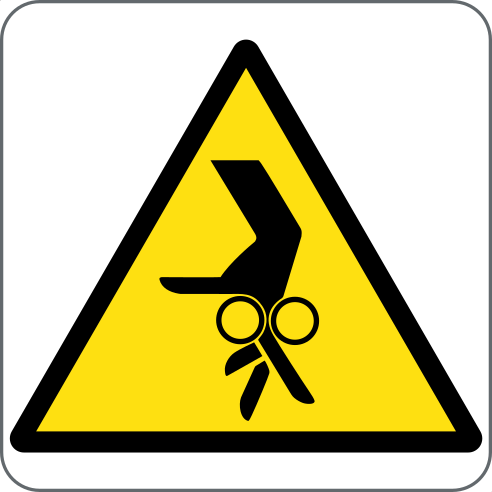
Arm Entanglement Warning Sign - Machinery Directive 2006/42/EC Compliant
Arm Entanglement Warning Sign - Machinery Directive 2006/42/EC Compliant
Couldn't load pickup availability
Arm Entanglement Warning Sign - Machinery Directive 2006/42/EC Compliant
Product Description
Prevent entanglement injuries with professional arm entanglement warning signs compliant with Machinery Directive 2006/42/EC. Yellow triangle symbols identify rotating equipment, moving belts, and machinery where arms, clothing, or loose items could become caught causing severe injuries and amputations. Essential for manufacturing, processing, and industrial facilities with rotating machinery requiring specific hazard identification.
Key Applications:
- Conveyor belts and roller systems
- Rotating shaft machinery and drives
- Mixing equipment and industrial agitators
- Printing press rollers and cylinders
- Textile manufacturing equipment
- Packaging line rotating components
FAQ Section
When are arm entanglement warning signs required on machinery?
Arm entanglement warning signs are required on all rotating machinery, moving belts, and equipment where entanglement hazards exist per Machinery Directive 2006/42/EC. Risk assessment must identify rotating components, shafts, belts, and moving parts where arms, clothing, hair, or jewelry could become caught causing severe injuries requiring clear hazard identification at operator positions.
What types of equipment need entanglement hazard signage?
Conveyor systems, mixing equipment, rotating shafts, printing press rollers, textile machines, packaging lines, belt drives, and any machinery with rotating or moving parts require entanglement warning signs. Equipment with accessible rotating components, nip points, or moving belts must display clear hazard warnings preventing worker contact during operation.
How do entanglement warning signs improve machinery safety compliance?
Professional entanglement signs reduce incidents by 50-70% when combined with machine guarding and clothing policies. Signs support Machinery Directive compliance, reinforce safe work procedures, and demonstrate risk assessment documentation showing residual hazards identified with appropriate warnings at all operator interaction points.
Are entanglement signs necessary for guarded machinery?
Yes, entanglement signs are necessary even with machine guards as they identify residual risks during maintenance, setup, and guard removal. Machinery Directive requires warning signs for hazards that cannot be eliminated through design, alerting workers to entanglement risks during authorized access and emergency situations.
What size entanglement warning signs work best for machinery applications?
Equipment-mounted signs: 100-150mm for control panels and local hazards. Standard machinery: 150-200mm for operator visibility at work positions. Large industrial equipment: 200-300mm for recognition from safe approach distances of 3-5 metres ensuring hazard awareness before worker proximity.
Can entanglement signs withstand industrial manufacturing environments?
Industrial-grade signs using aluminum (1-2mm) or rigid plastic (2-3mm) withstand manufacturing conditions including machine vibration, temperature variations, cleaning procedures, and continuous operations. Oil-resistant coatings protect against lubricants and coolants ensuring 5-10+ year visibility in demanding production environments.
How do entanglement signs integrate with machine safety programs?
Signs coordinate with machine risk assessments, lockout/tagout procedures, and safe work practices. Proper signage supports operator training on entanglement hazards, reinforces loose clothing prohibitions, and documents residual risk communication required by Machinery Directive compliance and safety management systems.
What maintenance do entanglement warning signs require?
Monthly inspections verify sign visibility, adhesion, and message clarity during routine machinery safety checks. Quarterly machine safety audits confirm proper sign placement at all entanglement hazard locations. Oil, coolant, or debris accumulation requires immediate cleaning. Damaged or faded signs compromise hazard communication requiring immediate replacement.
Do entanglement signs need coordination with clothing policies and training?
Yes, entanglement signs must integrate with workplace clothing policies prohibiting loose sleeves, jewelry, long hair, and dangling items near rotating equipment. Signs support safety training on entanglement hazards, proper clothing selection, and emergency stop procedures ensuring workers understand risks and protective measures for rotating machinery operations.
Order your arm entanglement warning signs today to ensure machinery safety compliance with Machinery Directive 2006/42/EC requirements and prevent serious entanglement injuries.
Compliance Standards:
- Machinery Directive 2006/42/EC - Essential Health and Safety Requirements
- EN ISO 12100:2010 - Safety of machinery risk assessment
- Yellow triangle warning format per safety signage conventions
- NOT part of ISO 7010 standardized symbol set (machinery-specific hazard)
Material Options:
- Rigid Plastic (2-3mm): Indoor manufacturing, 5-7 year lifespan, impact-resistant
- Aluminum (1-2mm): Industrial durability, 10+ year outdoor performance, corrosion-resistant
- Oil-Resistant Coatings: Protection against lubricants, coolants, industrial fluids
Size Options (Metric):
- Equipment labels: 100x100mm to 150x150mm
- Standard machinery signs: 150x150mm to 200x200mm
- Large industrial warnings: 200x200mm to 300x300mm
Installation Guidelines:
- Mounting height: 1.2-1.7 metres (operator eye level)
- Location: Within 0.5-1 metre of entanglement hazard
- Multiple signs: Required for equipment with multiple operator positions
- Visibility: Clear sightlines from all normal working positions
Machinery Directive Requirements
Risk Assessment Obligations:
- Manufacturers must identify all entanglement hazards during design
- Residual risks after guarding must be clearly identified with warnings
- User information must include specific hazard warnings
- Signs form part of required safety documentation
Entanglement Injury Statistics:
- Entanglement incidents: 5-8% of machinery-related injuries in EU
- Severity: Often result in amputations, fractures, degloving injuries
- Prevention: Machine guarding + warnings + training = 70-85% reduction
- Cost per incident: €50,000-€500,000 including medical, lost time, investigation
Common Entanglement Scenarios
Rotating Shaft Hazards:
- Unguarded or partially guarded rotating shafts
- Keyways, set screws, and shaft protrusions catching clothing
- High-torque equipment pulling workers into machinery
Belt and Pulley Systems:
- Nip points where belts meet pulleys
- Conveyor belt catch points and pinch areas
- V-belt drives and timing belt mechanisms
Mixing and Agitating Equipment:
- Industrial mixers with accessible rotating elements
- Blending equipment with shaft exposure during operation
- Food processing mixers and pharmaceutical agitators
Share