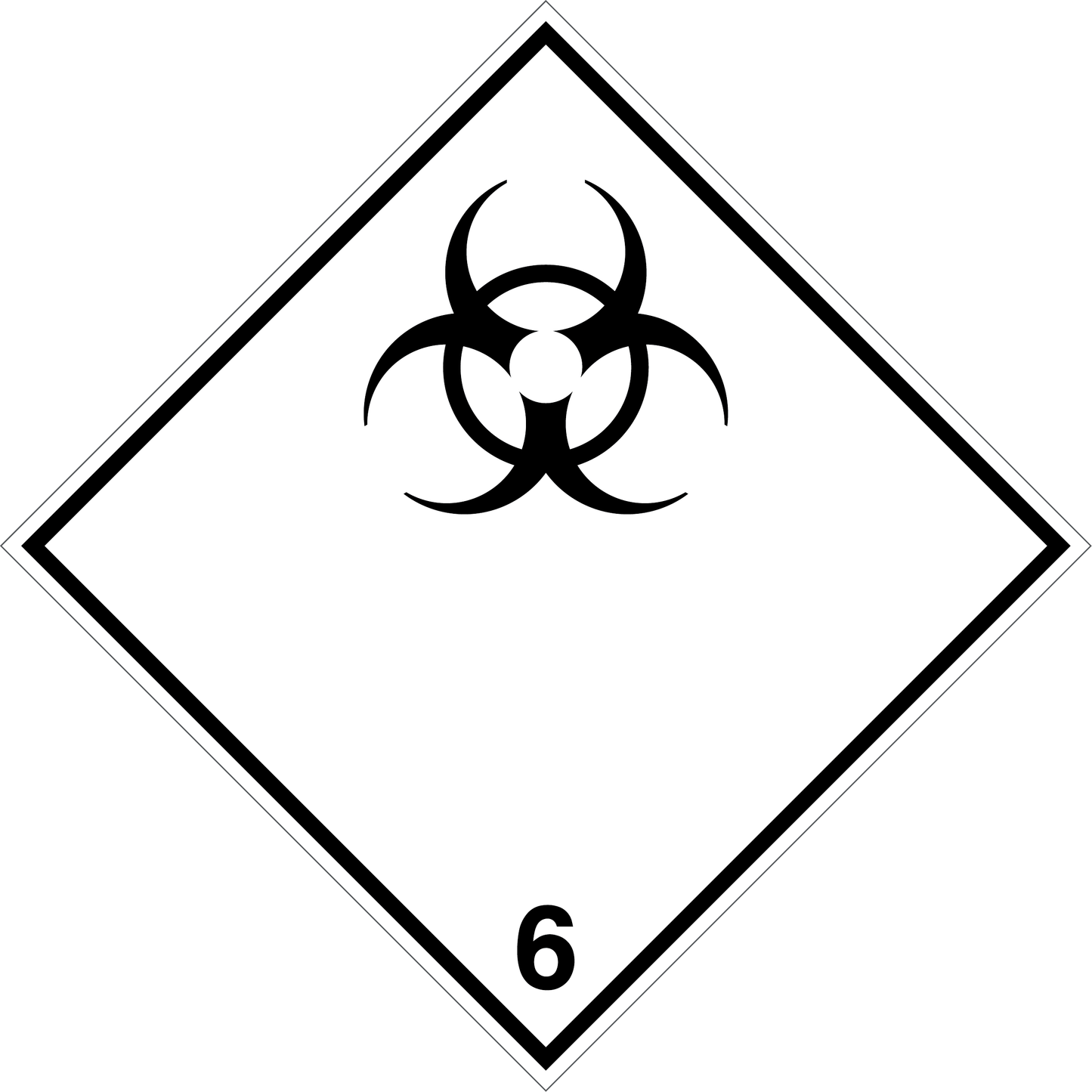
ADR Biohazard Material Label| Infectious Substance
ADR Biohazard Material Label| Infectious Substance
Couldn't load pickup availability
ADR biohazard material labels provide critical identification for Category A and Category B infectious substances requiring specialized biosafety handling during transport. These essential biological safety labels ensure proper recognition of UN3373 biological substances, protecting healthcare workers, transport personnel, and the public from infection risks during medical specimen, research material, and diagnostic sample shipments.
UN3373 and WHO Compliance for Biological Substance Transport
Our ADR biohazard material labels comply with UN Model Regulations (UN3373), WHO transport guidelines, and European ADR standards for infectious substance transport. The internationally recognized biohazard trefoil symbol communicates biological risks effectively to medical personnel, laboratory staff, emergency responders, and customs officials across international healthcare networks and research collaborations.
Biohazard-Resistant Construction for Medical Transport Environments
Manufactured from chemical-resistant materials designed to withstand biological transport conditions including temperature variations, moisture exposure, and potential contamination events. High-contrast biohazard symbols ensure maximum visibility during medical specimen transport, research material handling, and diagnostic sample processing. Adhesive backing provides secure attachment throughout medical transport chains.
Critical for Medical and Research Biosafety Operations
Strategic placement of biohazard material labels prevents infection incidents by clearly identifying biological substances requiring specialized biosafety protocols. Essential for hospitals, clinical laboratories, research institutions, pharmaceutical companies, and diagnostic centers handling blood samples, tissue specimens, bacterial cultures, viral materials, and other infectious biological substances that pose health risks.
Essential for Healthcare and Biomedical Industries
Perfect for medical facilities, clinical laboratories, research universities, pharmaceutical companies, biotech firms, and medical transport services handling infectious biological materials. These labels support compliance with international biosafety regulations while protecting healthcare workers, researchers, and transport personnel from biological exposure during specimen and research material transport operations.
Universal Biohazard Communication Standards
ADR biohazard material labels use internationally standardized biohazard trefoil symbols recognized by medical and research professionals worldwide. They enhance biosafety training programs and support consistent biological handling procedures across multinational healthcare networks. Clear visual communication reduces infection risks and improves biological transport safety effectiveness.
Precision Manufacturing for Biological Safety Applications
Each label component—from biohazard symbol clarity to contamination-resistant adhesive—meets strict UN3373 and biosafety specifications. Precision printing ensures biohazard symbols remain visible throughout medical transport cycles. Quality materials maintain adhesion and legibility under demanding laboratory and transport conditions where biological identification is health-critical.
Free EU Shipping and Biosafety Compliance Support
We offer free delivery across the European Union for all medical and biological labeling requirements. Bulk quantities available for large healthcare systems and research institutions. Our team provides professional support trusted by laboratory managers, biosafety officers, and medical transport coordinators for infectious substance compliance.
Protect healthcare workers and ensure biological safety with professional ADR biohazard material labels meeting UN3373 international infectious substance standards.
Technical Specifications Section:
Product Specifications:
- Standards: UN3373, WHO transport guidelines, ADR compliant
- Symbol: Biohazard trefoil symbol (international standard)
- Colors: Standard biohazard colors (black/red trefoil on yellow/white)
- Material: Chemical-resistant vinyl with biosafety coating
- Adhesive: Medical-grade, contamination-resistant permanent
- Temperature Range: Functional -20°C to +60°C (medical transport)
- Sizes Available: Standard UN3373 biological substance label dimensions
- Durability: Chemical, biological fluid, and UV resistant
Regulatory Classifications:
- ✓ UN3373 - Biological substance, Category B
- ✓ UN2814 - Infectious substance affecting humans (Category A)
- ✓ UN2900 - Infectious substance affecting animals (Category A)
- ✓ WHO Guidelines - World Health Organization transport standards
- ✓ CDC/NIH - US biosafety and transport guidelines
- ✓ CLSI Standards - Clinical Laboratory Standards Institute aligned
Critical Biological Applications:
Medical Specimen Transport:
- Blood Samples - Serum, plasma, whole blood for diagnostics
- Tissue Specimens - Surgical samples, biopsies, pathology materials
- Body Fluids - Urine, saliva, cerebrospinal fluid, synovial fluid
- Microbiological Cultures - Bacterial, fungal, viral cultures
- Diagnostic Samples - Clinical specimens for laboratory analysis
- Genetic Materials - DNA, RNA samples for testing
Research and Development:
- Cell Lines - Cultured cells for research applications
- Viral Vectors - Gene therapy and research viral materials
- Bacterial Strains - Research microorganisms and cultures
- Protein Samples - Biological proteins and enzymes
- Vaccine Materials - Development and production samples
- Biotechnology Products - Biopharmaceutical research materials
Pharmaceutical and Biotech:
- Drug Development Samples - Biological testing materials
- Quality Control Specimens - Manufacturing process samples
- Clinical Trial Materials - Patient samples and test substances
- Biotechnology Products - Engineered biological materials
- Immunotherapy Components - Biological treatment materials
Veterinary and Agricultural:
- Animal Specimens - Veterinary diagnostic samples
- Plant Pathogens - Agricultural disease organisms
- Environmental Samples - Biological contamination testing
- Food Safety Testing - Pathogen detection samples
- Livestock Health - Animal health monitoring specimens
Biosafety Risk Assessment:
Category A vs Category B Substances:
- Category A (UN2814/2900) - Substances capable of causing permanent disability or life-threatening disease
- Category B (UN3373) - Biological substances not meeting Category A criteria
- Exempt Specimens - Minimal likelihood of containing pathogens
Infection Control Measures:
- Personal Protective Equipment - Gloves, lab coats, eye protection
- Containment Procedures - Primary and secondary containment
- Decontamination Protocols - Surface and equipment disinfection
- Waste Management - Proper biological waste disposal
- Emergency Procedures - Spill response and exposure protocols
Healthcare Industry Applications:
Hospital Systems:
- Clinical Laboratories - Diagnostic specimen transport
- Blood Banks - Blood product and sample transport
- Pathology Departments - Tissue and specimen handling
- Infectious Disease Units - Isolation and testing specimens
- Emergency Departments - Rapid diagnostic sample transport
Research Institutions:
- Medical Schools - Teaching and research specimens
- Research Universities - Biological research materials
- Government Labs - Public health and research specimens
- Private Research - Biotechnology and pharmaceutical R&D
- International Collaboration - Cross-border research materials
Diagnostic Centers:
- Reference Laboratories - Specialized testing specimens
- Molecular Diagnostics - Genetic and molecular samples
- Microbiology Labs - Infectious disease testing
- Toxicology Centers - Biological exposure testing
- Forensic Laboratories - Legal and criminal investigation samples
Emergency Response and Spill Procedures:
Biological Spill Protocol:
- Immediate Isolation - Isolate spill area and personnel
- Personal Protection - Don appropriate PPE before cleanup
- Containment - Use absorbent materials and disinfectants
- Decontamination - Proper surface and equipment disinfection
- Waste Disposal - Follow biological waste disposal procedures
- Incident Reporting - Document and report per institutional protocols
Exposure Response:
- Skin Exposure - Immediate washing with soap and water
- Eye Exposure - Flush with water or saline for 15 minutes
- Inhalation - Move to fresh air and seek medical attention
- Medical Evaluation - Prompt medical assessment for potential exposure
- Follow-up Care - Monitoring per exposure risk assessment
FAQ Section:
Q: When are biohazard labels required for medical transport? A: Required for any biological material that may contain infectious agents, including diagnostic specimens (UN3373) and known infectious substances (UN2814/2900).
Q: What's the difference between Category A and Category B biological substances? A: Category A substances can cause permanent disability or death in healthy humans/animals. Category B are diagnostic/research specimens with lower infection risk.
Q: Are biohazard labels required for domestic medical transport? A: Yes, ADR and national regulations typically require proper biological labeling for domestic transport of infectious substances within EU countries.
Q: How should damaged biological packages be handled? A: Follow institutional spill procedures, use appropriate PPE, contain the area, and notify biosafety officers immediately.
Share