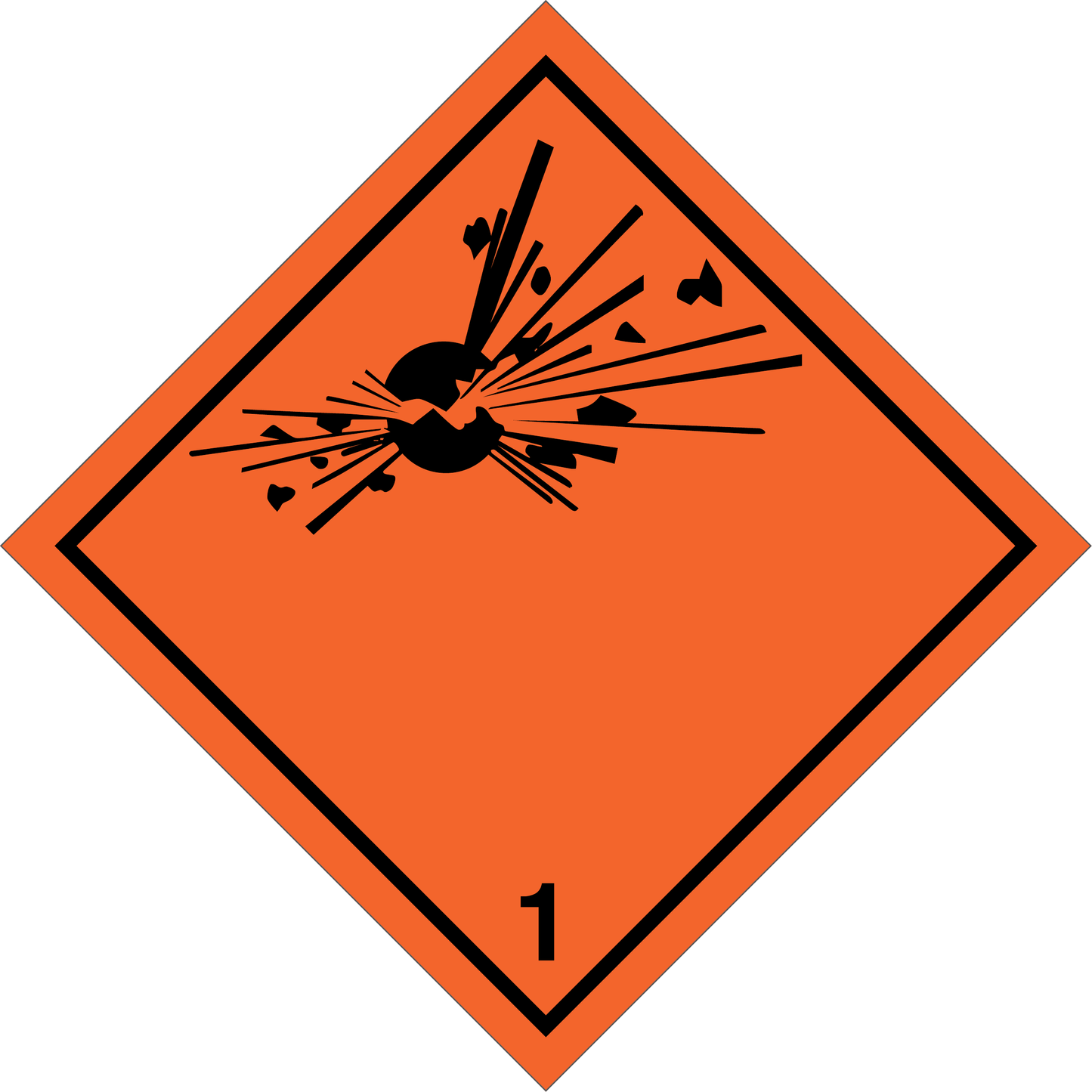
ADR label - explosive material
ADR label - explosive material
Couldn't load pickup availability
ADR Explosive Material Label - Complete SEO Fix
Current Issues Identified:
- Generic template content - Same boilerplate text across different dangerous goods
- Missing Class 1 expertise - No explosive divisions, compatibility groups, UN codes
- No blast/safety emphasis - Doesn't convey serious explosion risks and safety protocols
- Limited industry targeting - Missing mining, construction, military, pyrotechnics applications
- Weak regulatory detail - No explosive transport licensing, security requirements
- No emergency procedures - Missing blast area evacuation and explosive incident protocols
Complete SEO Content Solution:
1. SEO Title (59 characters):
ADR Explosive Material Label Class 1 | Blast Safety Warning
2. Meta Description (159 characters):
Professional ADR explosive material labels Class 1 compliant. Blast hazard marking for explosives transport. Mining, construction safety. Free EU shipping.
3. Product Description with H2/H3 Structure:
Professional ADR Explosive Material Labels for Class 1 Explosives Transport
ADR explosive material labels provide critical blast hazard identification for Class 1 explosives requiring specialized handling and transport protocols. These essential safety labels ensure proper recognition of explosive substances including commercial explosives, ammunition, fireworks, and blasting agents, protecting personnel from blast injuries and preventing catastrophic incidents during mining, construction, and military operations.
UN Class 1 and ADR Compliance for Explosives Transport Safety
Our ADR explosive material labels comply with UN Model Regulations Class 1 and European ADR standards for explosives transport. This ensures internationally recognized explosive hazard symbols that communicate blast risks effectively to transport personnel, explosive handlers, emergency responders, and security officials across borders requiring specialized explosive transport authorization and security clearances.
Blast-Resistant Construction for Explosive Transport Environments
Manufactured from heavy-duty materials that provide dependable visibility and adhesion under the most challenging explosive transport conditions. Clear graphics and color coding guarantee rapid understanding of blast hazards in high-risk explosive handling environments. Quality construction ensures label integrity throughout secure explosive transport chains and storage facilities.
Critical for Mining and Construction Blast Operations
Strategic placement of explosive material labels prevents catastrophic blast incidents by clearly identifying explosive shipments requiring specialized blast safety protocols. Essential for mining companies, construction firms, demolition contractors, and explosive manufacturers handling commercial explosives, blasting agents, detonators, and ammunition that pose severe blast and fragmentation hazards.
Essential for Military and Pyrotechnics Industries
Perfect for military contractors, explosive manufacturers, mining companies, construction firms, demolition specialists, and pyrotechnics companies handling Class 1 explosives. These labels support compliance with explosive transport regulations while preventing blast incidents, unauthorized access, and security violations during specialized explosive operations and transport.
Universal Explosive Hazard Communication Standards
ADR explosive material labels use internationally standardized explosive symbols recognized by military, mining, and explosive industry professionals worldwide. They enhance explosive safety training programs and support consistent blast safety procedures across multinational explosive operations. Clear visual communication reduces blast risks and improves explosive transport safety effectiveness.
Precision Manufacturing for Explosive Safety Applications
Each label component—from explosive symbol clarity to blast-resistant adhesive—meets strict Class 1 and explosive safety specifications. Precision printing ensures explosive hazard symbols remain visible throughout secure transport chains requiring explosive transport licensing. Quality materials maintain adhesion and legibility under demanding conditions where explosive identification is life-critical.
Free EU Shipping and Explosive Transport Compliance Support
We offer free delivery across the European Union for all explosive labeling requirements. Bulk quantities available for large mining and construction operations. Our team provides professional support trusted by explosive safety officers and blast coordinators for Class 1 explosive transport compliance and security requirements.
Ensure explosive safety and prevent blast incidents with professional ADR explosive material labels meeting Class 1 international explosive transport standards.
Technical Specifications Section:
Product Specifications:
- Classification: UN Class 1 - Explosives
- Symbol: Explosive burst symbol (black on orange/yellow background)
- Colors: Standard Class 1 colors (orange diamond with black symbol)
- Material: Blast-resistant vinyl with security coating
- Adhesive: High-strength permanent, tamper-evident
- Temperature Range: Functional -40°C to +75°C (explosive storage range)
- Sizes Available: Standard ADR Class 1 explosive label dimensions
- Durability: Blast, impact, weather, and tamper resistant
Class 1 Explosive Divisions:
- ✓ Division 1.1 - Mass explosion hazard (entire load explodes)
- ✓ Division 1.2 - Projection hazard (fragments but no mass explosion)
- ✓ Division 1.3 - Fire hazard with minor blast/projection
- ✓ Division 1.4 - Minor explosion hazard (confined to package)
- ✓ Division 1.5 - Very insensitive mass explosion substances
- ✓ Division 1.6 - Extremely insensitive articles
Critical Explosive Applications and Industries:
Mining and Quarrying Operations:
- Commercial Explosives - ANFO, emulsion explosives, dynamite
- Blasting Agents - Ammonium nitrate-based bulk explosives
- Detonators - Electric, non-electric, and electronic blasting caps
- Boosters - Cast boosters and primer charges
- Safety Fuse - Time delay fusing systems
- Shaped Charges - Specialized cutting and perforation charges
Construction and Demolition:
- Demolition Charges - Building and structure demolition explosives
- Rock Blasting - Road construction and excavation explosives
- Controlled Demolition - Precision explosive placement systems
- Concrete Cutting - Explosive concrete cutting charges
- Foundation Work - Excavation and site preparation explosives
- Utility Installation - Pipeline and utility explosive installation
Military and Defense:
- Ammunition - Artillery shells, mortar rounds, small arms
- Ordnance - Military explosive devices and systems
- Training Explosives - Military training and exercise materials
- Pyrotechnics - Military flares, signals, and smoke devices
- Demolition Materials - Military engineering explosive equipment
- Explosive Ordnance Disposal - EOD training and operations materials
Entertainment and Pyrotechnics:
- Fireworks - Consumer and professional pyrotechnic displays
- Special Effects - Movie and theatrical explosive effects
- Sporting Events - Stadium pyrotechnic displays
- Celebrations - Public firework displays and celebrations
- Professional Pyrotechnics - Licensed pyrotechnic operations
- Training Simulators - Explosive effect training devices
Explosive Safety and Blast Protection:
Primary Blast Hazards:
- Mass Explosion - Complete detonation of entire explosive load
- Fragmentation - High-velocity metal and debris projection
- Blast Overpressure - Shock wave causing structural damage and injury
- Thermal Effects - Heat and fire from explosive detonation
- Ground Shock - Seismic effects from large explosive events
- Toxic Gases - Dangerous gases produced by explosive detonation
Safety Protocols and Procedures:
- Blast Area Control - Establish exclusion zones around explosive operations
- Personnel Evacuation - Clear areas before explosive operations
- Explosive Quantity Limits - Restrict quantities to minimize blast effects
- Protective Equipment - Blast-resistant structures and personal protection
- Communication Systems - Warning systems and blast area coordination
- Emergency Response - Specialized explosive incident response procedures
Transport Requirements and Security:
Explosive Transport Licensing:
- ADR Training - Specialized explosive transport certification required
- Security Clearances - Background checks for explosive transport personnel
- Vehicle Approval - Specially approved vehicles for explosive transport
- Route Approval - Pre-approved routes for explosive shipments
- Time Restrictions - Specific time windows for explosive transport
- Escort Requirements - Security escorts for high-risk explosive shipments
Security and Anti-Theft Measures:
- Secure Storage - Approved explosive storage magazines
- Inventory Control - Strict accounting and tracking systems
- Access Control - Limited access to authorized personnel only
- Surveillance - Monitoring systems for explosive storage and transport
- Theft Reporting - Immediate reporting of explosive theft or loss
- Law Enforcement Coordination - Cooperation with security authorities
Documentation Requirements:
- Explosive Licenses - Valid licenses for explosive possession and transport
- Transport Permits - Specific permits for explosive shipments
- Compatibility Certificates - Explosive compatibility documentation
- Security Plans - Detailed security and safety procedures
- Emergency Contacts - 24-hour emergency response information
- Quantity Declarations - Precise explosive quantity and type documentation
Emergency Response and Blast Incident Procedures:
Explosive Emergency Protocol:
- Immediate Evacuation - Clear minimum safe distance (typically 300-1000m)
- Emergency Services - Contact bomb squad and explosive specialists
- Area Isolation - Establish security perimeter and access control
- Hazard Assessment - Evaluate explosive type and blast potential
- Specialized Response - Deploy explosive ordnance disposal teams
- Public Safety - Coordinate with police and emergency management
- Investigation - Document incident and determine cause
Blast Incident Response:
- Immediate Medical - Treat blast injuries and trauma
- Search and Rescue - Locate and evacuate injured personnel
- Structural Assessment - Evaluate building and infrastructure damage
- Evidence Preservation - Secure scene for investigation
- Environmental Assessment - Check for environmental contamination
- Recovery Operations - Safe cleanup and site restoration
Regulatory Compliance and Licensing:
International Standards:
- UN Model Regulations - Global explosive transport standards
- ADR European - European road transport of explosives
- IATA/ICAO - Air transport explosive restrictions (generally prohibited)
- IMDG - Maritime explosive transport requirements
- ATF Regulations - US explosive licensing and compliance
- National Authorities - Country-specific explosive regulations
Industry Standards:
- ISEE - International Society of Explosives Engineers
- NFPA Standards - Fire protection and explosive safety codes
- OSHA - Occupational safety for explosive handling
- MSHA - Mine safety and explosive use regulations
- BATFE - Bureau of Alcohol, Tobacco, Firearms and Explosives
- Local Authorities - Municipal explosive use permits
FAQ Section:
Q: Who can transport Class 1 explosives? A: Only licensed explosive transport companies with ADR certification, appropriate vehicles, security clearances, and explosive transport permits.
Q: Can explosives be transported with other dangerous goods? A: Explosives have strict segregation requirements and are generally incompatible with most other dangerous goods classes.
Q: What are the minimum safe distances for explosive transport? A: Minimum distances vary by explosive type and quantity, typically ranging from 50m to over 1000m depending on the explosive division and net explosive quantity.
Q: Are there time restrictions for explosive transport? A: Yes, many jurisdictions restrict explosive transport to daylight hours and prohibit transport during certain weather conditions or high-traffic periods.
Industry Benefits and Safety Value:
Blast Safety Benefits:
- Prevents catastrophic incidents - Reduces risk of accidental explosive detonation
- Protects personnel - Ensures proper explosive recognition and handling
- Saves lives - Prevents blast injuries and fatalities
- Reduces liability - Demonstrates proper explosive safety precautions
- Insurance protection - Maintains coverage for explosive operations
Regulatory Compliance:
- Legal requirements - Meets mandatory explosive labeling obligations
- License maintenance - Supports explosive licensing compliance
- Audit preparation - Demonstrates regulatory adherence during inspections
- International acceptance - Ensures global explosive transport compatibility
- Professional standards - Shows commitment to explosive safety excellence
Operational Advantages:
- Security compliance - Supports anti-terrorism and security requirements
- Emergency preparedness - Enables effective explosive incident response
- Training support - Enhances explosive safety training programs
- Cost avoidance - Prevents explosive incidents and associated costs
- Professional reputation - Demonstrates explosive safety expertise
Share